Interactions & Systems
This series compiles work from Design Communications II, a course centered on exploration, abstraction, systems, and time. Focused on the Gila National Forest, the study uses varied modes of representation to understand the beaver as an ecological protagonist whose work reshapes and renews the landscape.
Case Study | Spring 2024 | Professor: Andrew Madl
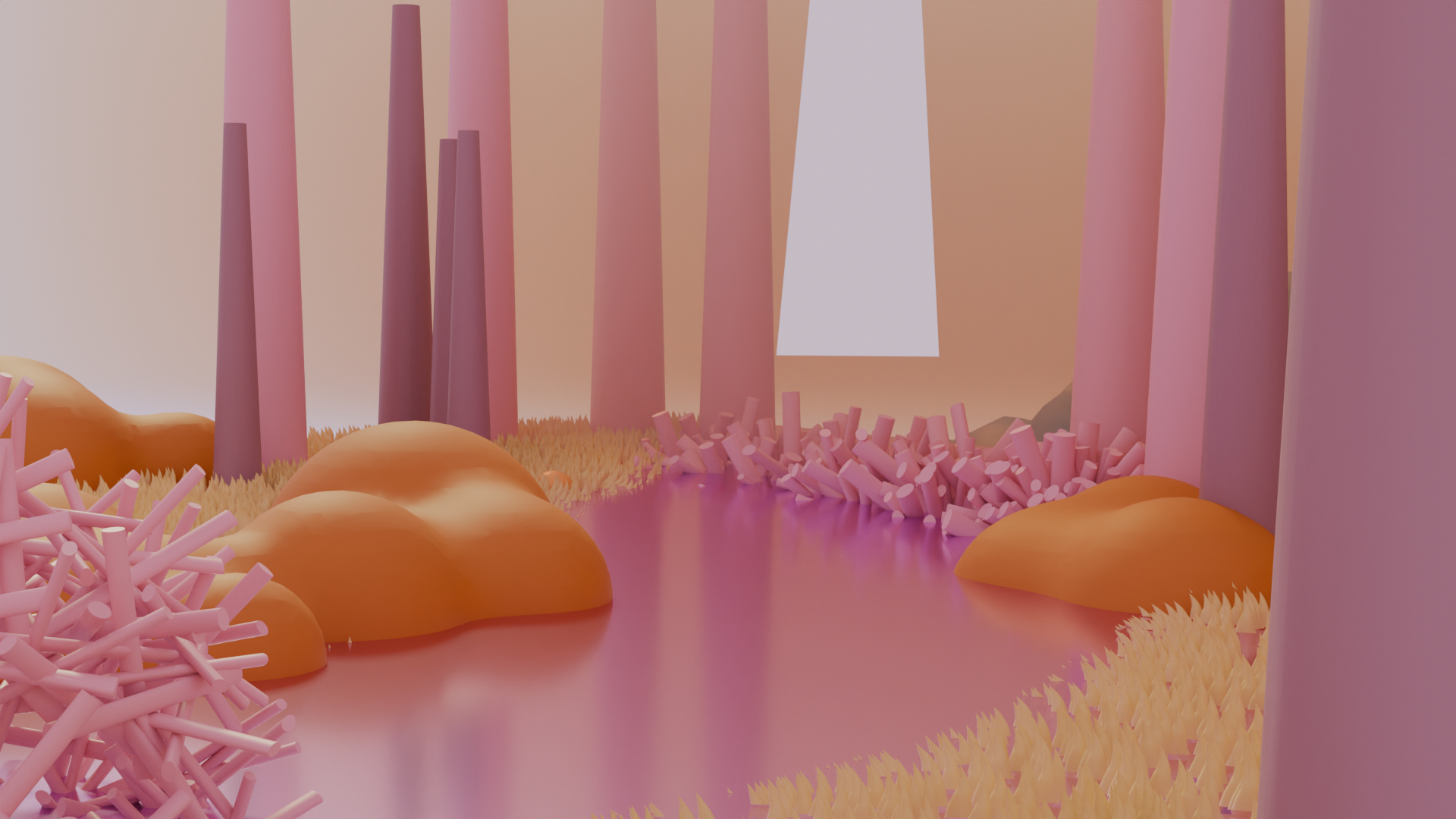
Animation Still I
Assignment One began with selecting an ecoregion, leading to research on the Gila National Forest and the beaver’s prominent influence on its systems. A sourced photograph was analyzed and deconstructed to reveal hidden ecological relationships.
Gila ecoregion study and ecological relationships.
Assignment Two used animation from the beaver’s perspective to explore its behaviors, patterns, and interactions with the landscape.
Physical models examined how damming alters waterways and transforms the surrounding environment.
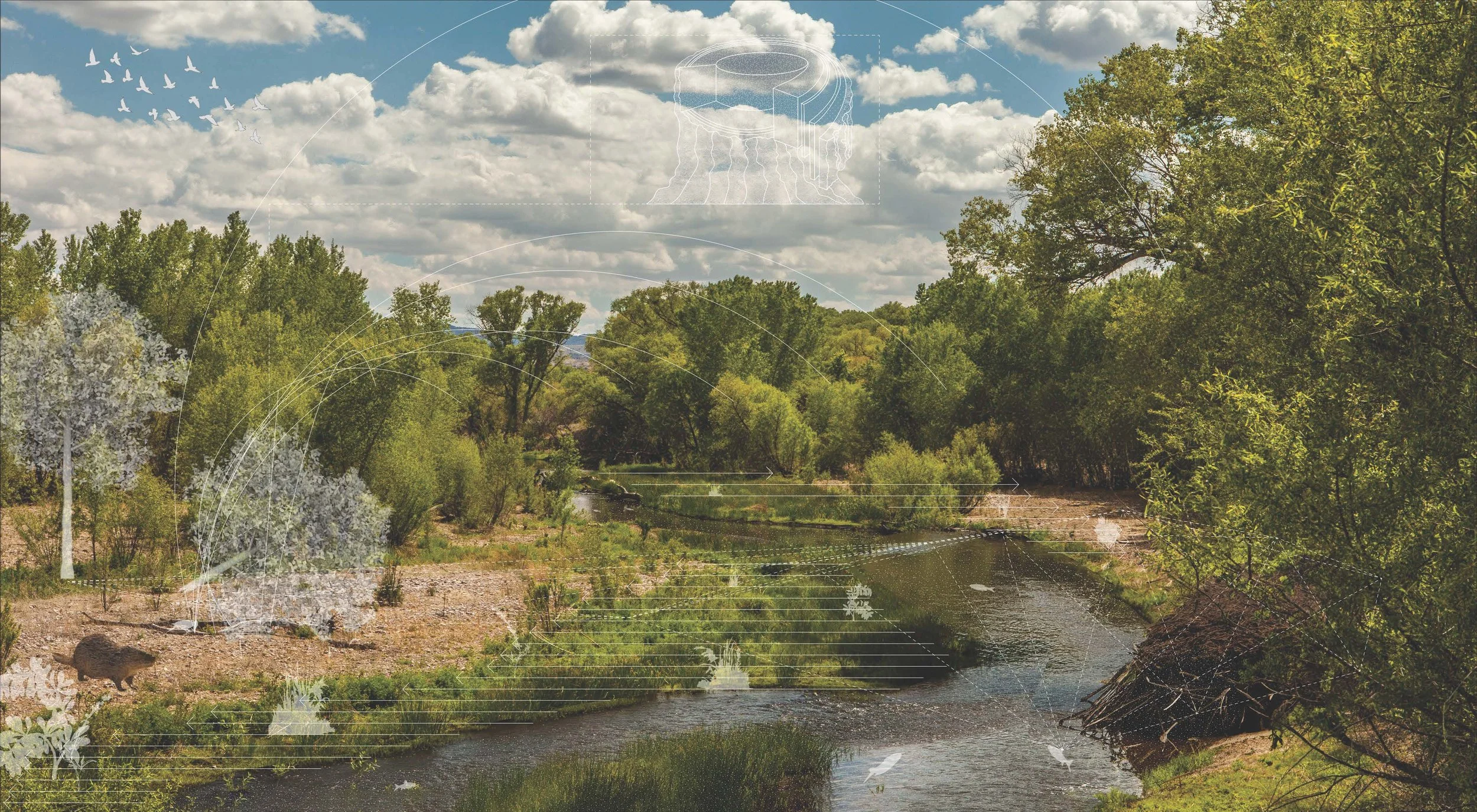
Gila ecoregion study and ecological relationships.
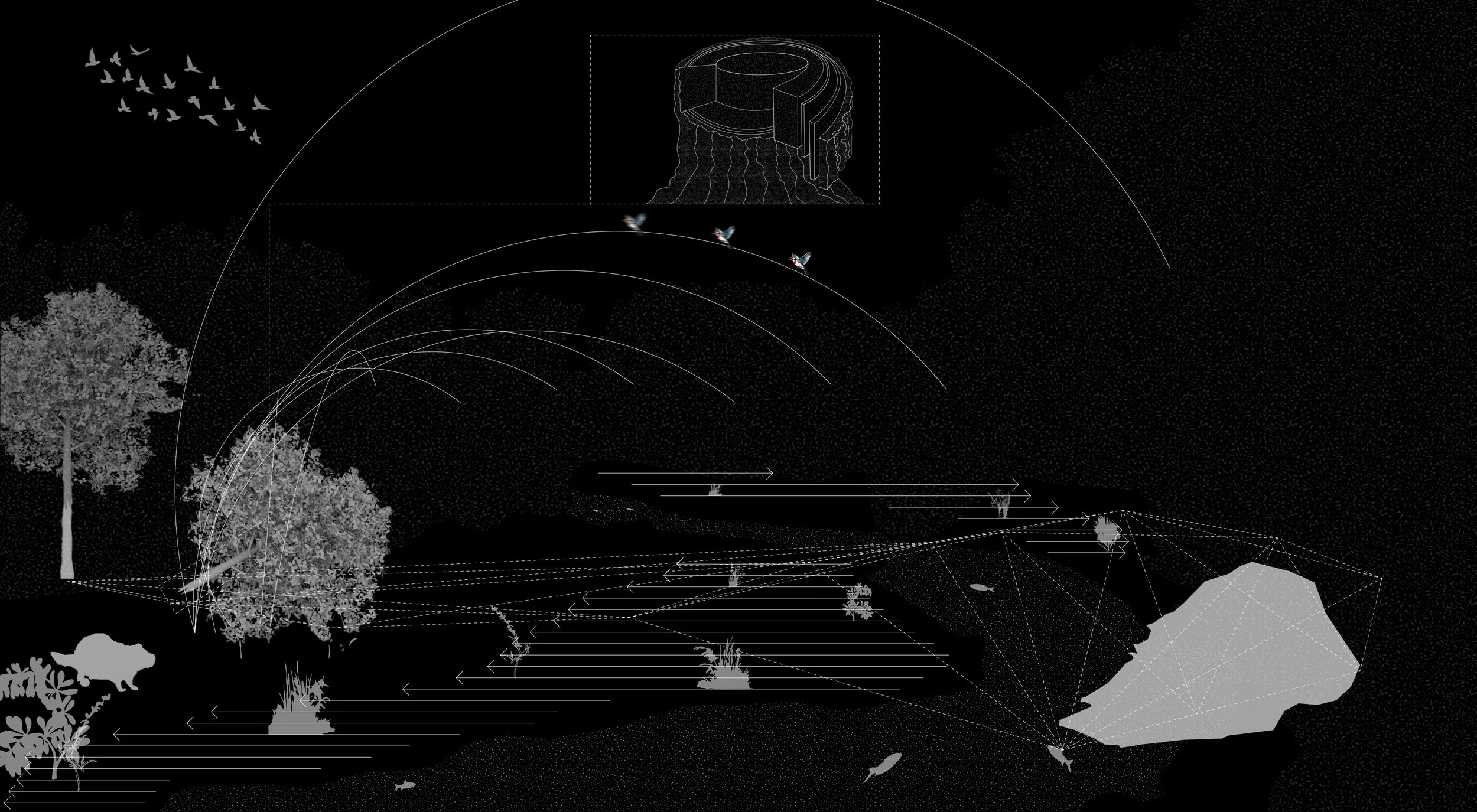
Beaver Perspective Animation

Physical Model - Plexy Glass, Nails, Hardware
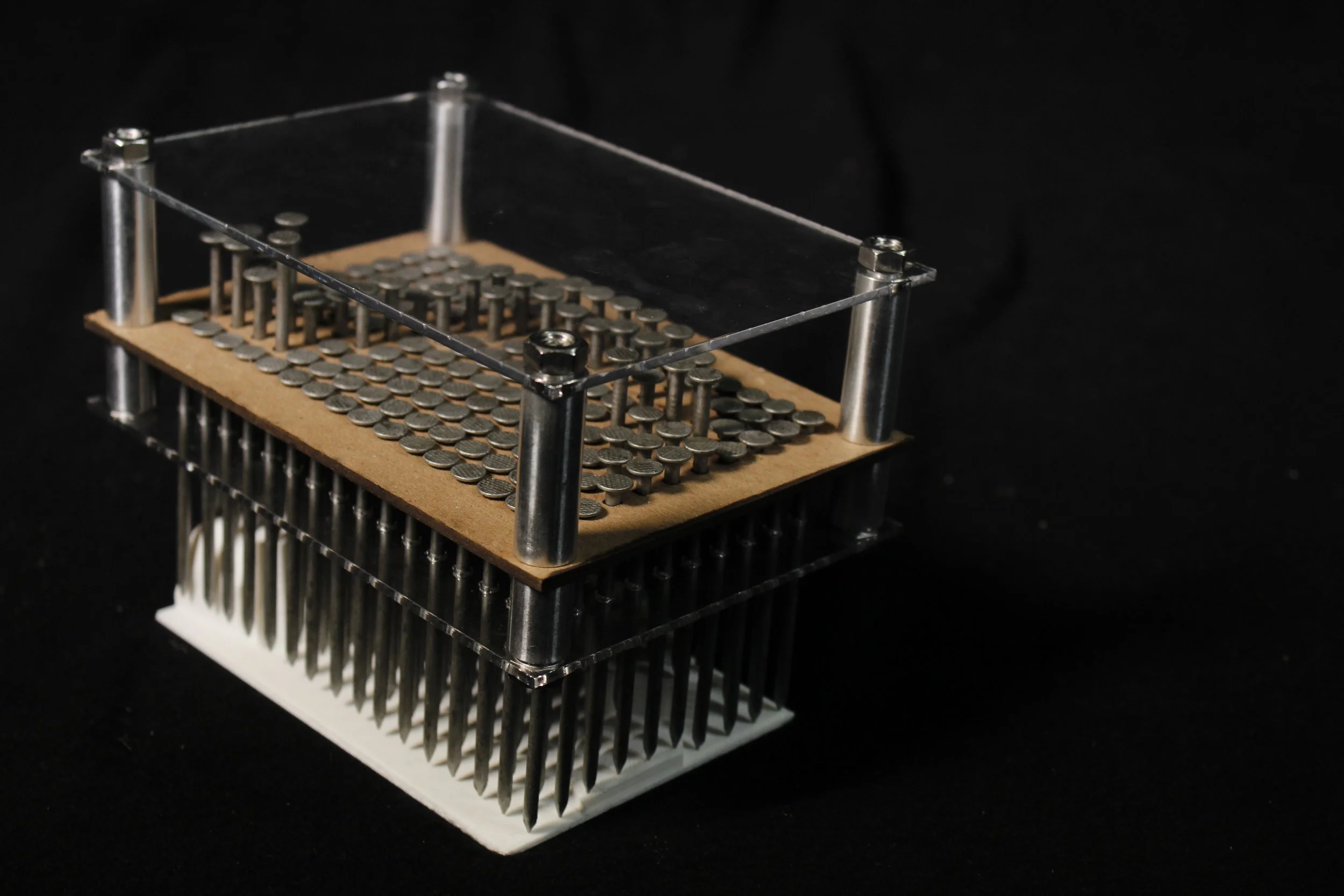
Physical Model - Plexy Glass, Nails, Hardware
Assignment Three visualized data on beaver movement across terrain, mapping their elevation ranges and slopes while revealing erosion dynamics tied to changing water levels.
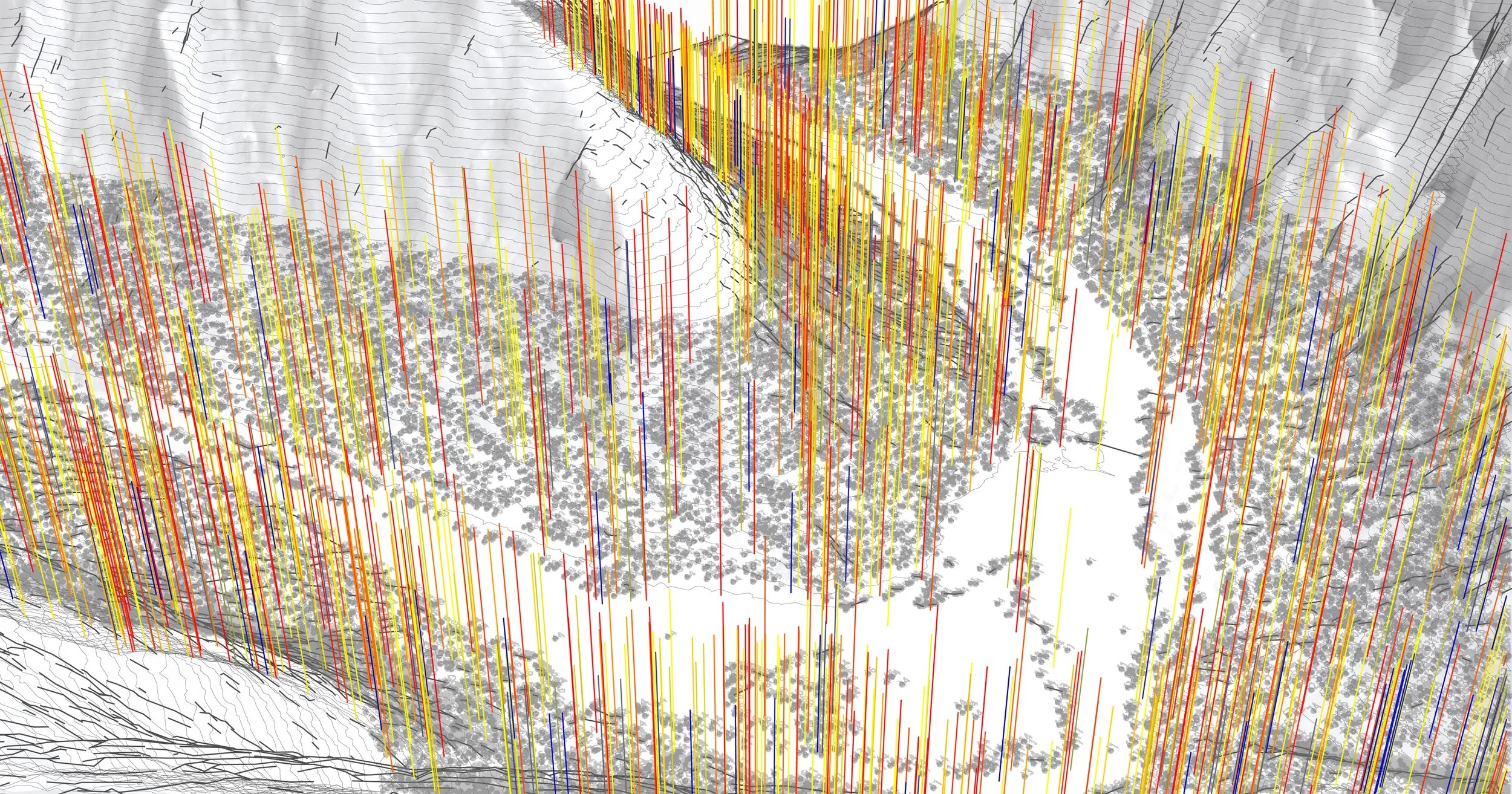
Data Visualization Still
Data Visualization Animation
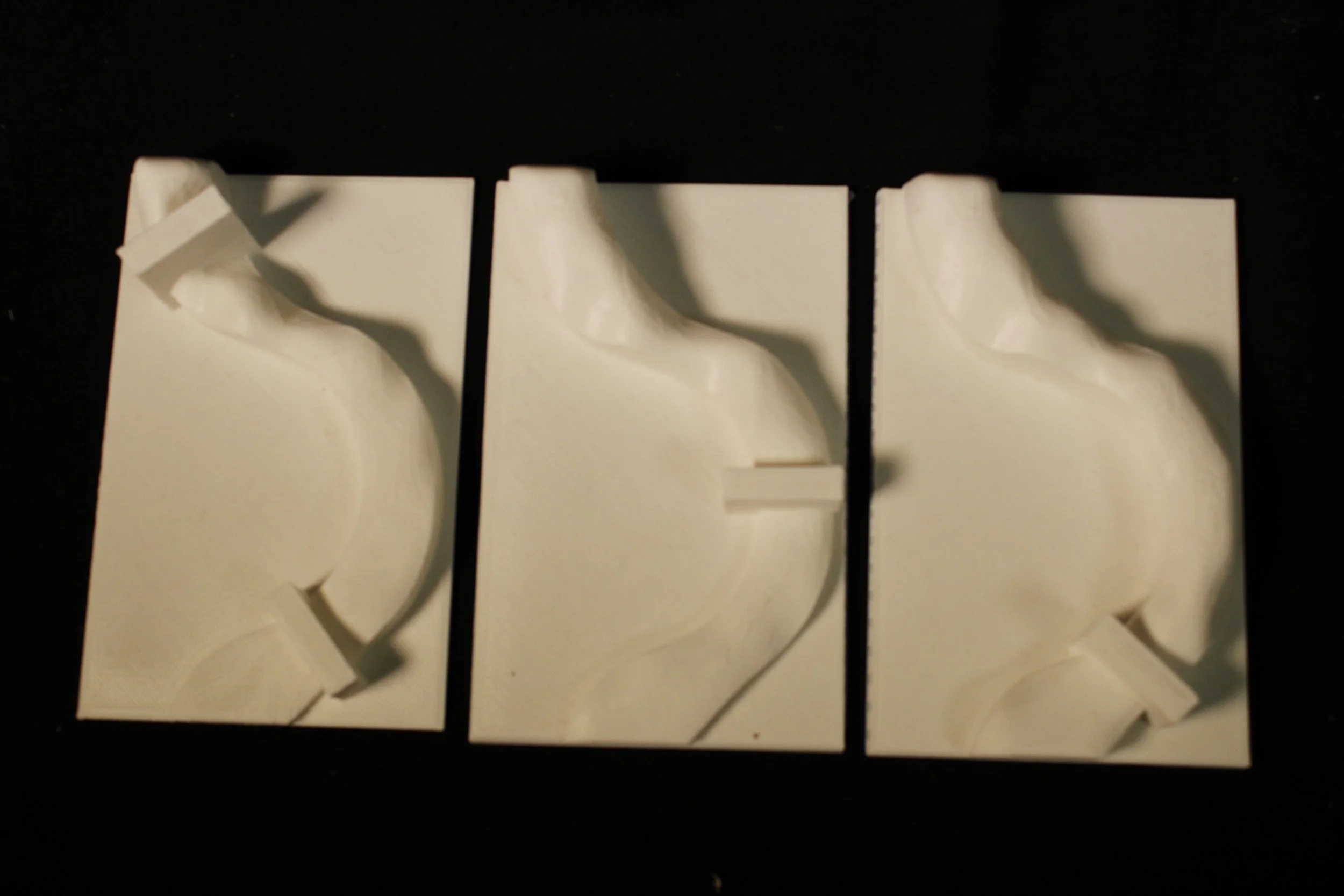
Physical Model - 3D Prints