Bashed Measures
This project investigates how cultural artifacts can be abstracted to drive landscape design, drawing inspiration from SurfaceDesign Inc.’s use of cultural references to shape contemporary landscapes. It explores how material identity and form can be remapped at new scales, sometimes legible and sometimes only understood through interpretation. These ideas guided a reimagining of a Knoxville Superfund Site with soil remediation as the central design driver leading to the question of if we are required to back form and materiality or are we able to simply create things that look interesting to us?
Case Study | Spring 2024 | Professor: Andrew Madl
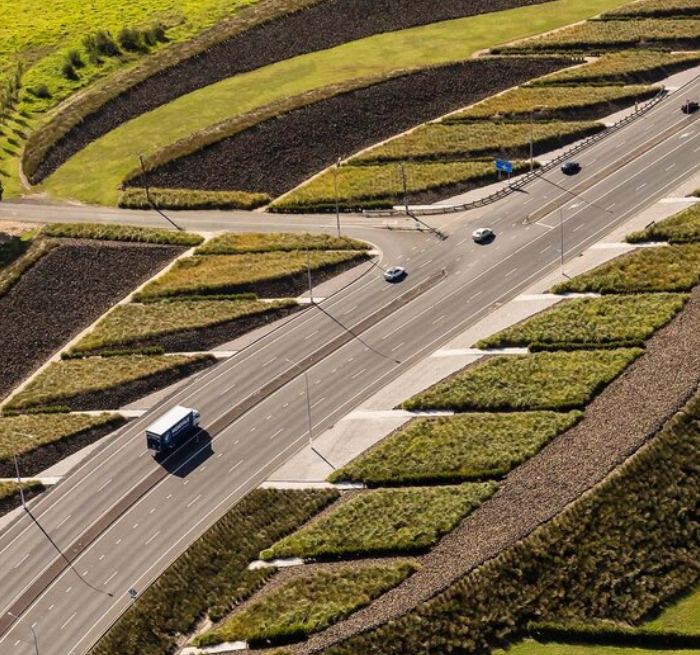
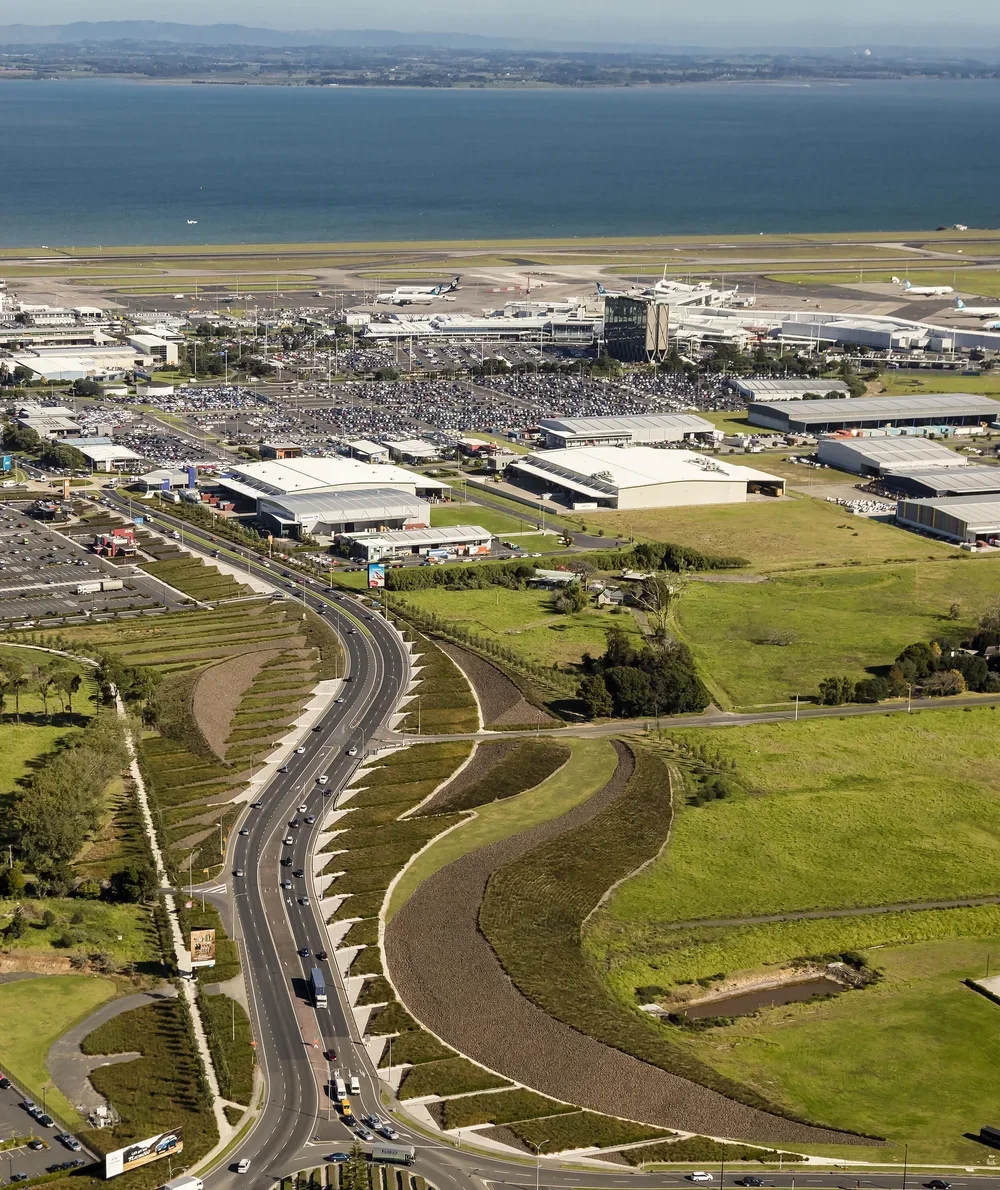
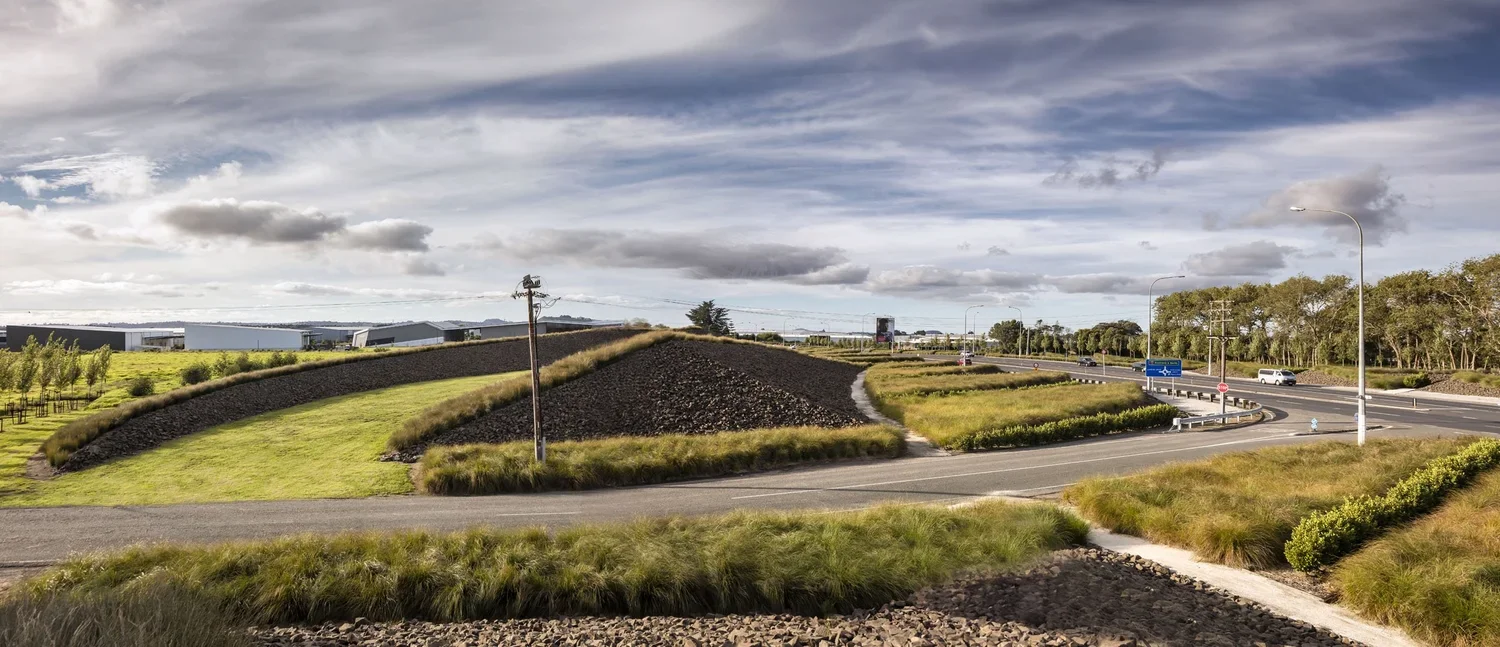
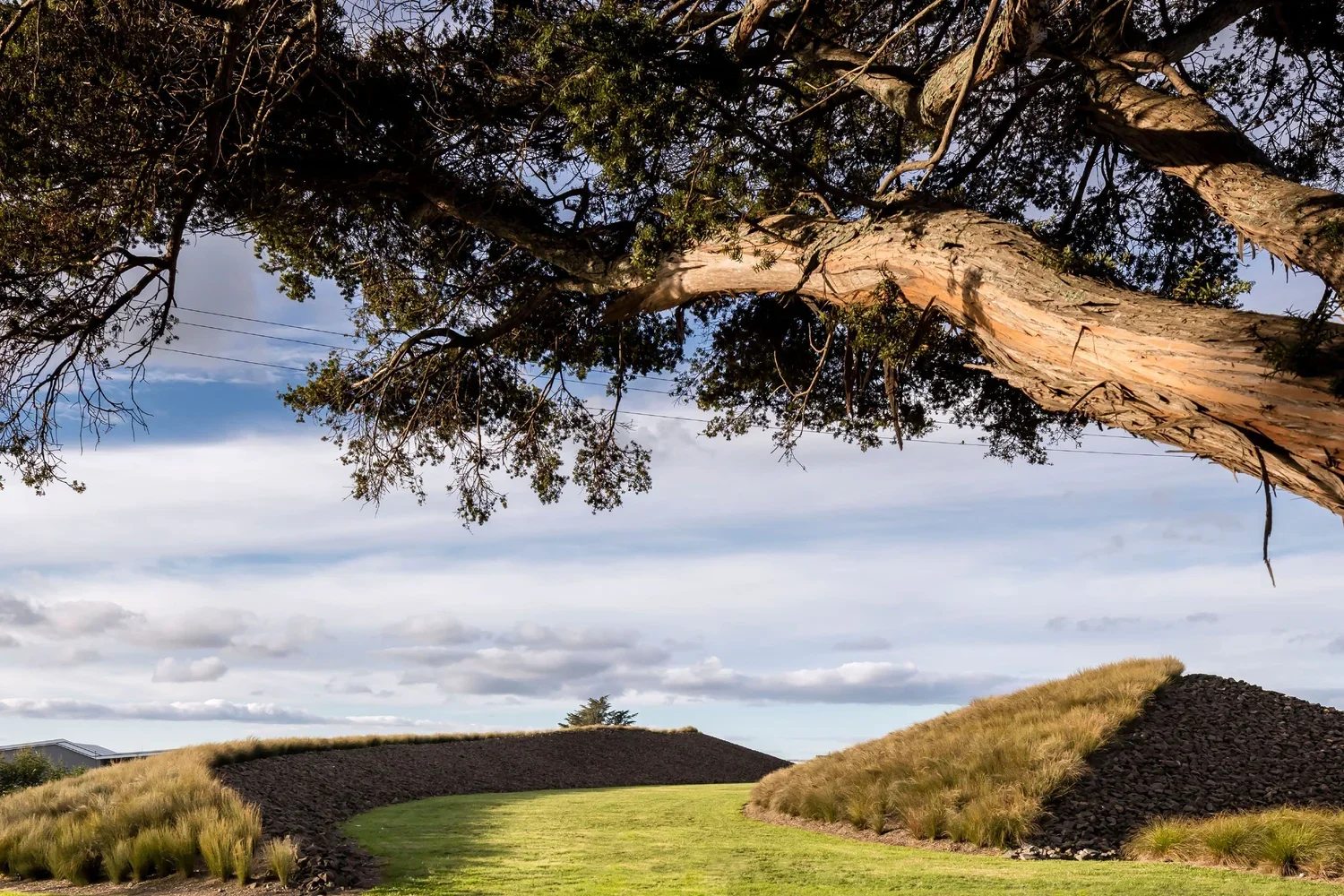
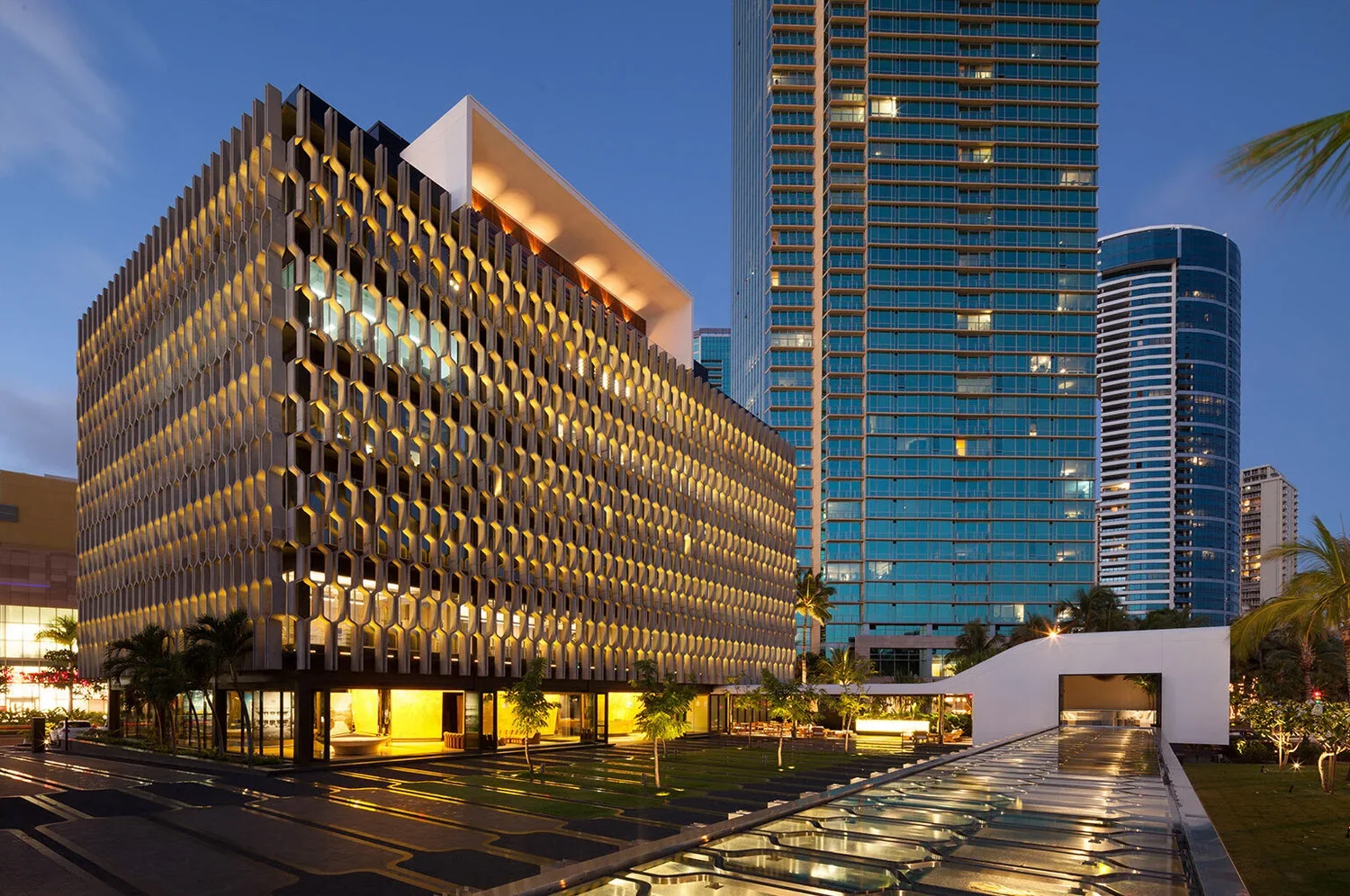
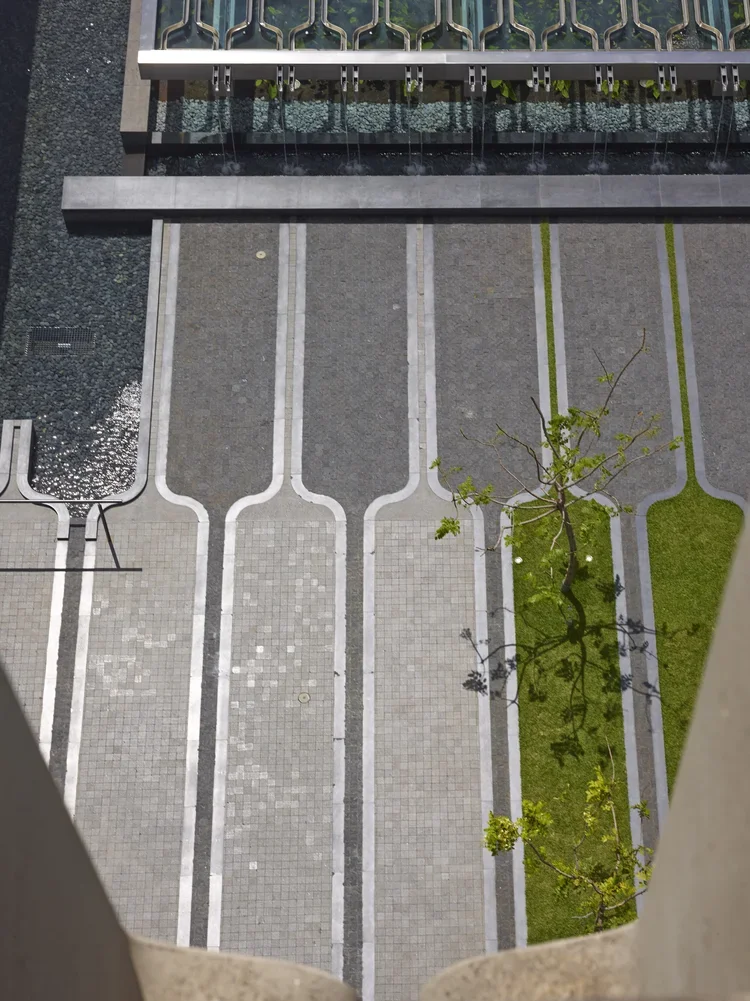
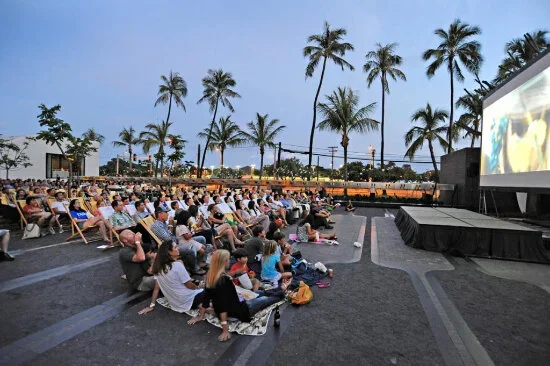
This project begins with two provided case studies by SurfaceDesign Inc. IBM Plaza and First Flight Auckland International Airport.
-
![First Flight - Auckland International Airport]()
First Flight - Auckland International Airport (C: SurfaceDesign Inc.)
-
![First Flight - Auckland International Airport]()
First Flight - Auckland International Airport (C: SurfaceDesign Inc.)
-
![First Flight - Auckland International Airport]()
First Flight - Auckland International Airport (C: SurfaceDesign Inc.)
-
![First Flight - Auckland International Airport]()
First Flight - Auckland International Airport (C: SurfaceDesign Inc.)
-
![IBM Plaza]()
IBM Plaza (C: SurfaceDesign Inc.)
-
![IBM Plaza]()
IBM Plaza (C: SurfaceDesign Inc.)
-
![IBM Plaza]()
IBM Plaza (C: SurfaceDesign Inc.)
-
![IBM Plaza]()
IBM Plaza (C: SurfaceDesign Inc.)

The first step involved drafting and deconstructing the two precedent projects into key design elements
First Flight Auckland Airport features native New Zealand plants with textures reflecting Auckland’s urban and volcanic landscapes. Stone mounds echo Maori stonefields, while abstract stone blades reference jet engines. Berms reuse site soil, and maintenance draws from traditional New Zealand gardening practices. (C: SurfaceDesign Inc.)
The IBM Plaza courtyard reflects the building’s existing facade and Hawaiian culture through local volcanic stone, Taro plantings, and a water feature referencing Hawaii’s creation stories. As the first Hawaiian landscape to showcase all native and endemic plant species, it honors ecological heritage while materials capture the shifting light of the Hawaiian sky throughout the day. (C: SurfaceDesign Inc.)
Through research and diagramming the intended use of each space, active and passive design strategies were identified. The breakdown of the individual physical elements that composed each space, inspired a bashed plan.
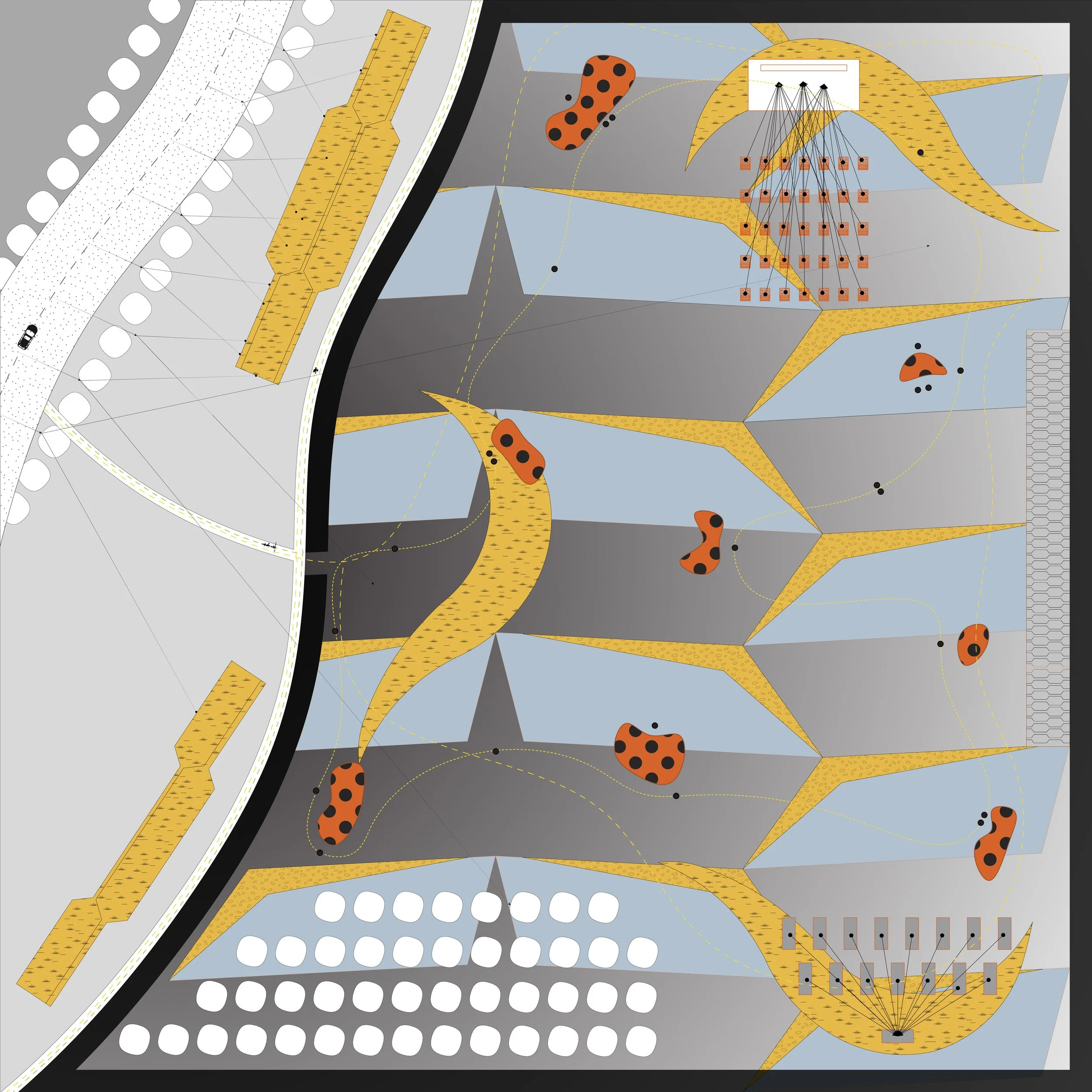
Auckland International Airport Design Index
Auckland International Airport Existing Plan
Interpreted Active & Passive Design Strategies
Auckland International Airport Design Index
This plan combined the design logics in a playful way that hybridizes scale and performance of the landscapes.
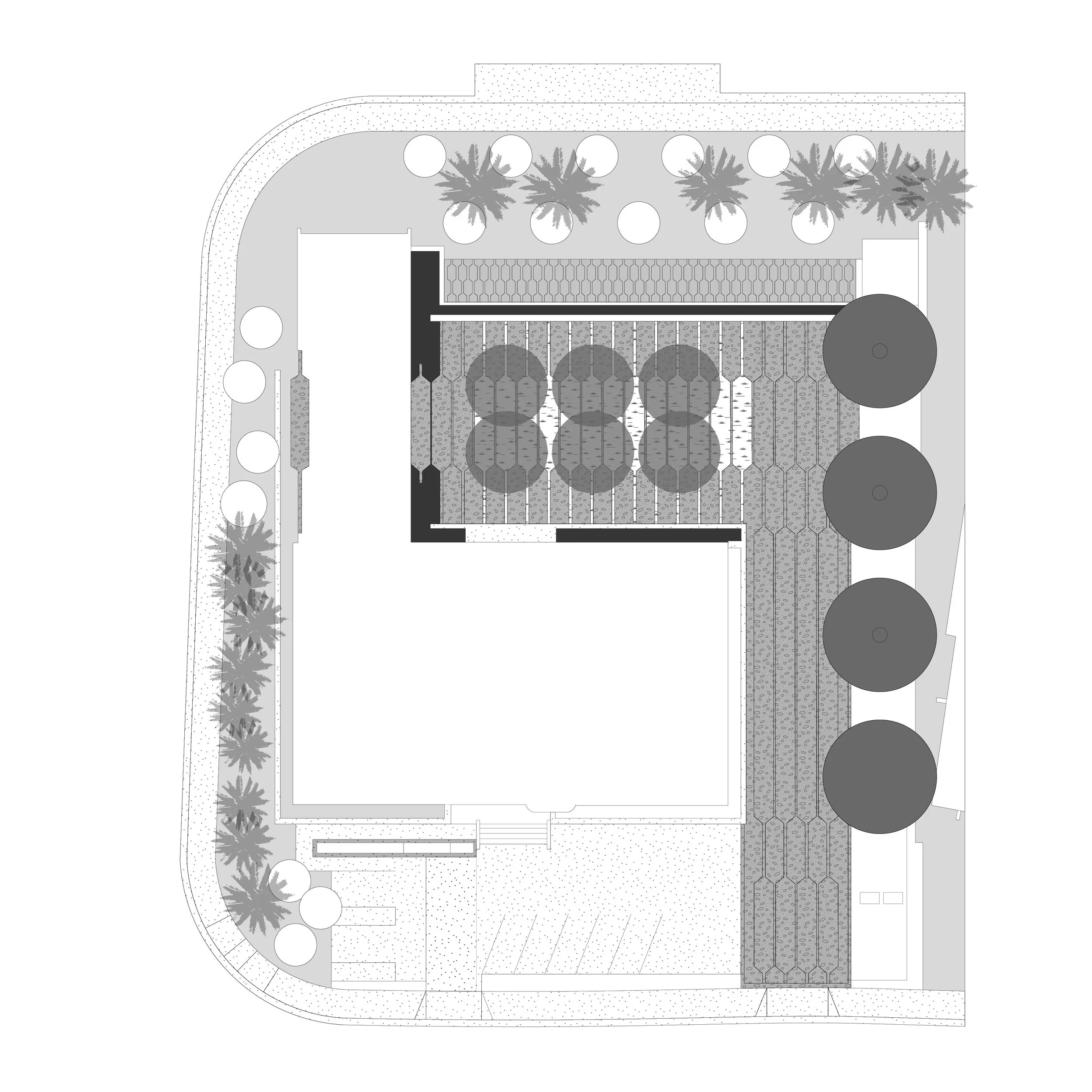
IBM Plaza Existing Plan
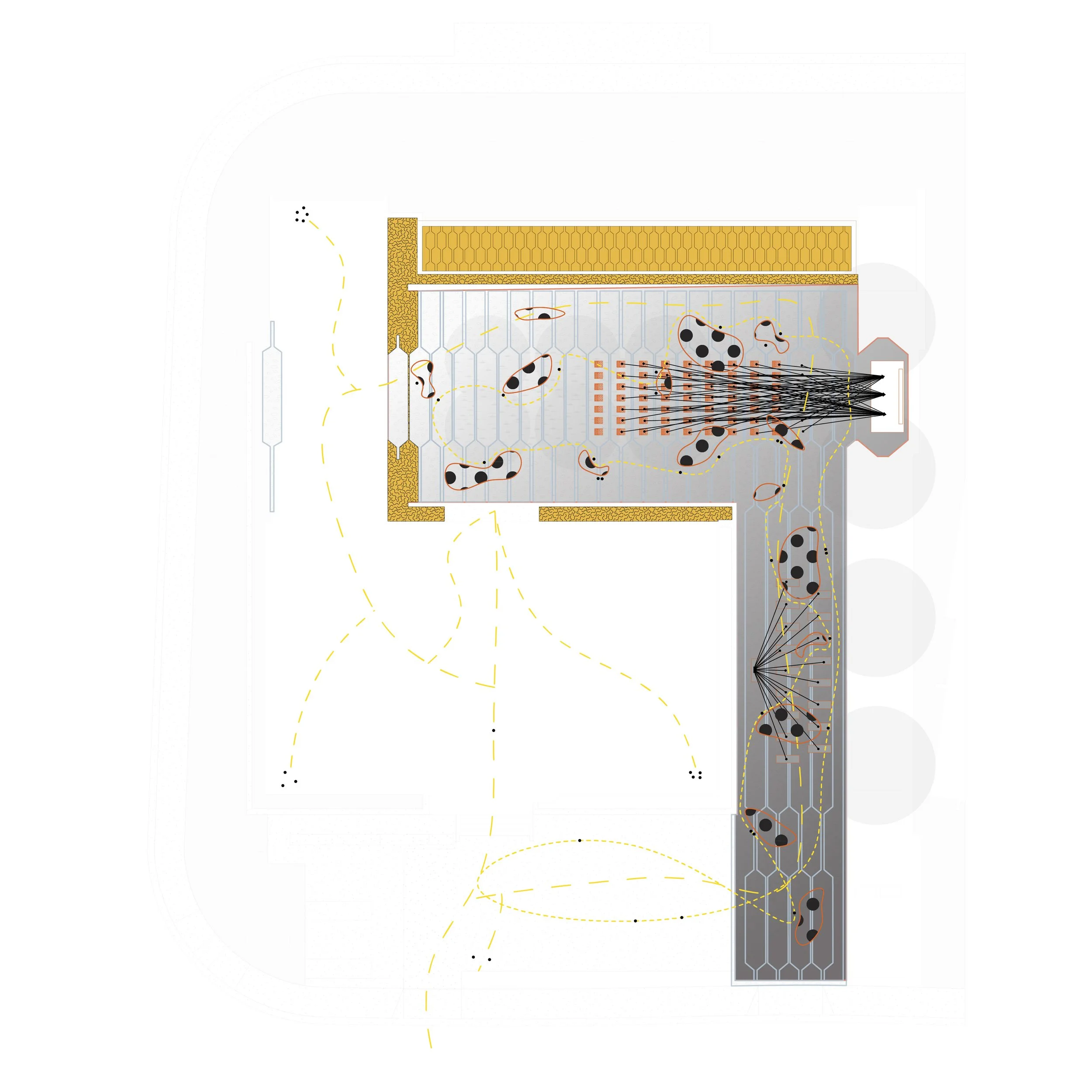
Interpreted Active & Passive Design Strategies
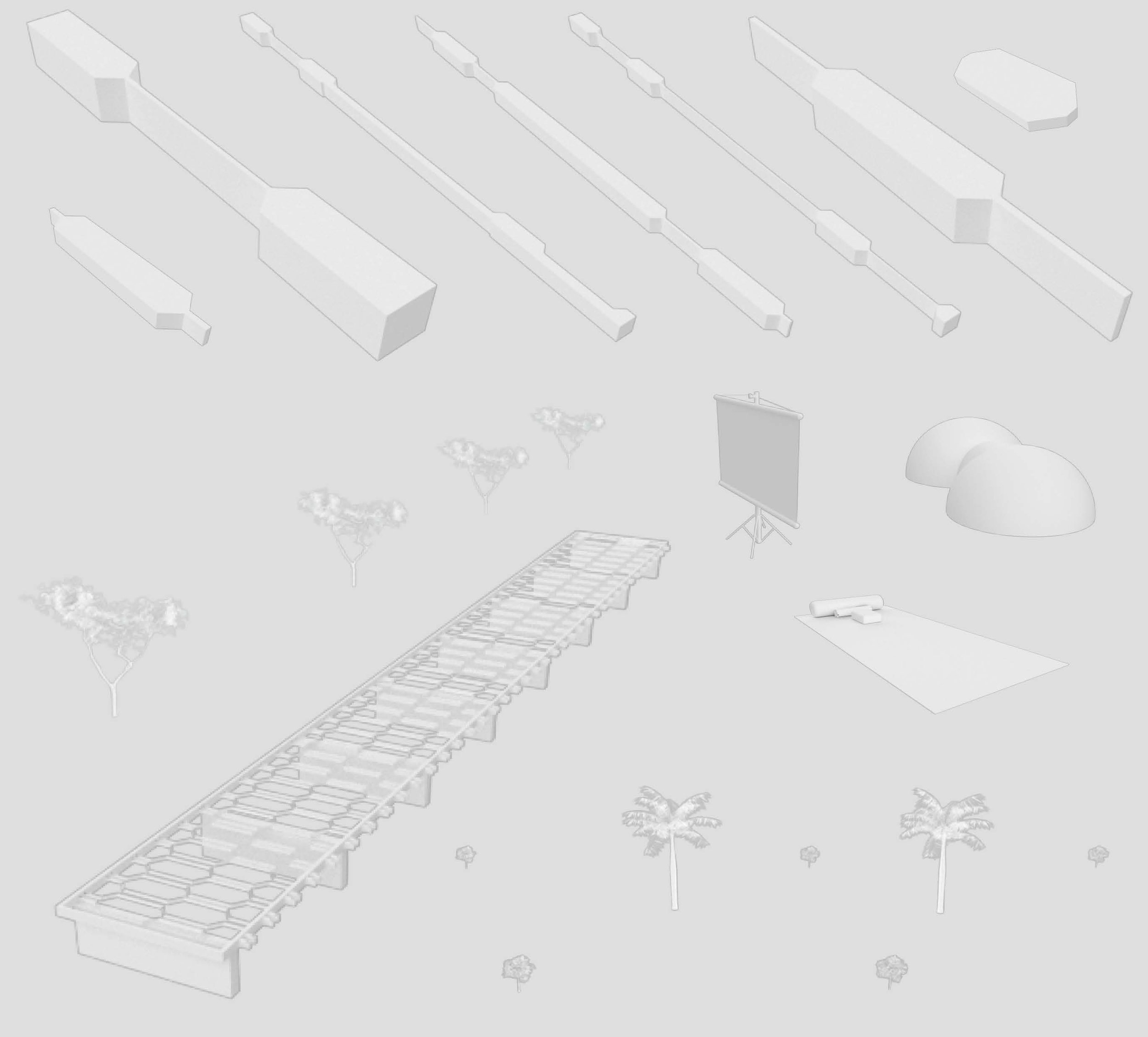
IBM Plaza Design Index
Part two provided a local Knoxville SuperFund site, Smoky Mountain Smelters, requiring phytoremediation strategies. Through the breakdown of SurfaceDesign’s strategies, the project was intended to be designed through the eyes of their firm. Both case studies revealed a commonality of abstracting past and current histories through design. Therefore, I began researching Knoxville culture.
-
![Iteration I - Inspired by Tennessee River, 3 Sisters Planting, Knox County]()
Iteration I - Inspired by Tennessee River, 3 Sisters Planting, Knox County
-
![Iteration II - Inspired by Knoxvilles 7 Lakes, Great Smoky Mountains Logging Map]()
Iteration II - Inspired by Knoxvilles 7 Lakes, Great Smoky Mountains Logging Map
-
![Iteration III - Inspired by the Tennessee River, Great Smoky Mountain Logging Map]()
Iteration III - Inspired by the Tennessee River, Great Smoky Mountain Logging Map
-
![Iteration IV - Inspired by 3 Sisters Planting Method, Knox County, Knoxville's 7 Lakes, Knoxville Brewery Map, Art Culture]()
Iteration IV - Inspired by 3 Sisters Planting Method, Knox County, Knoxville's 7 Lakes, Knoxville Brewery Map, Art Culture
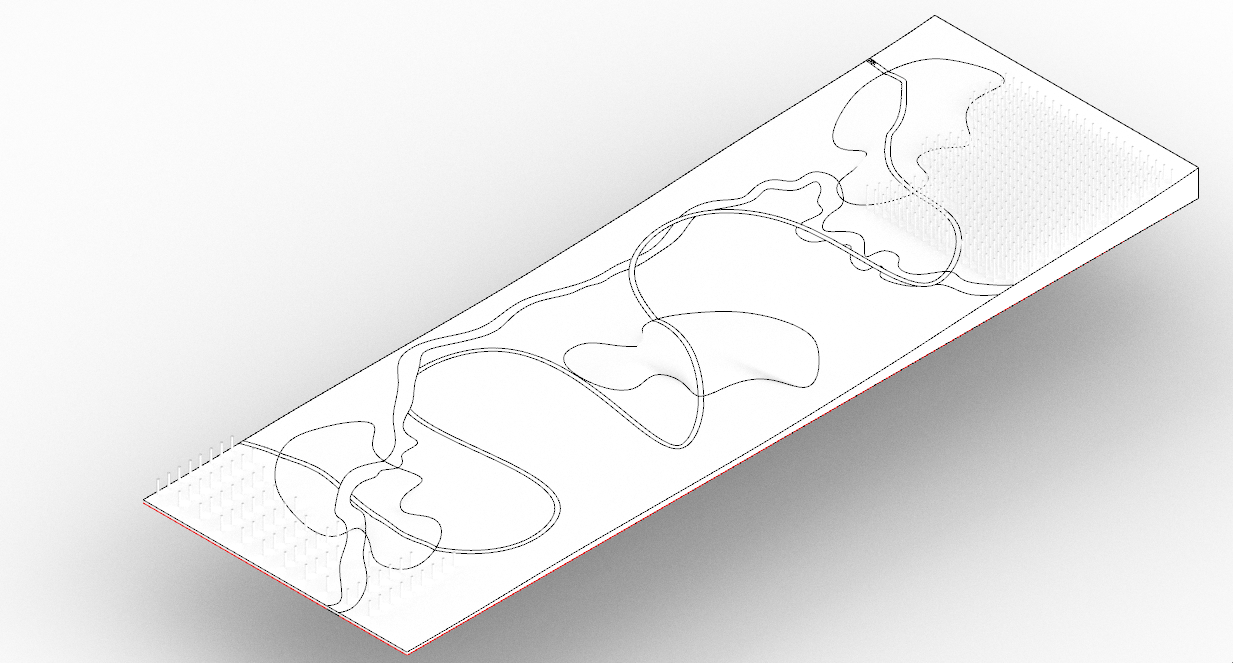
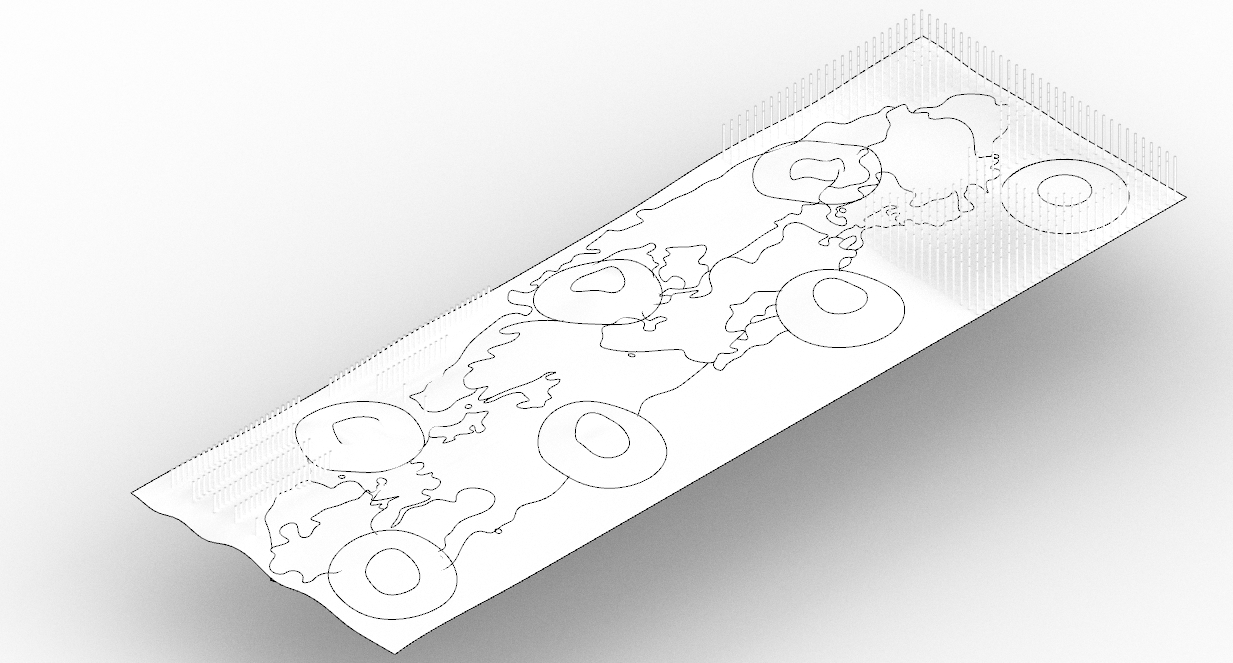
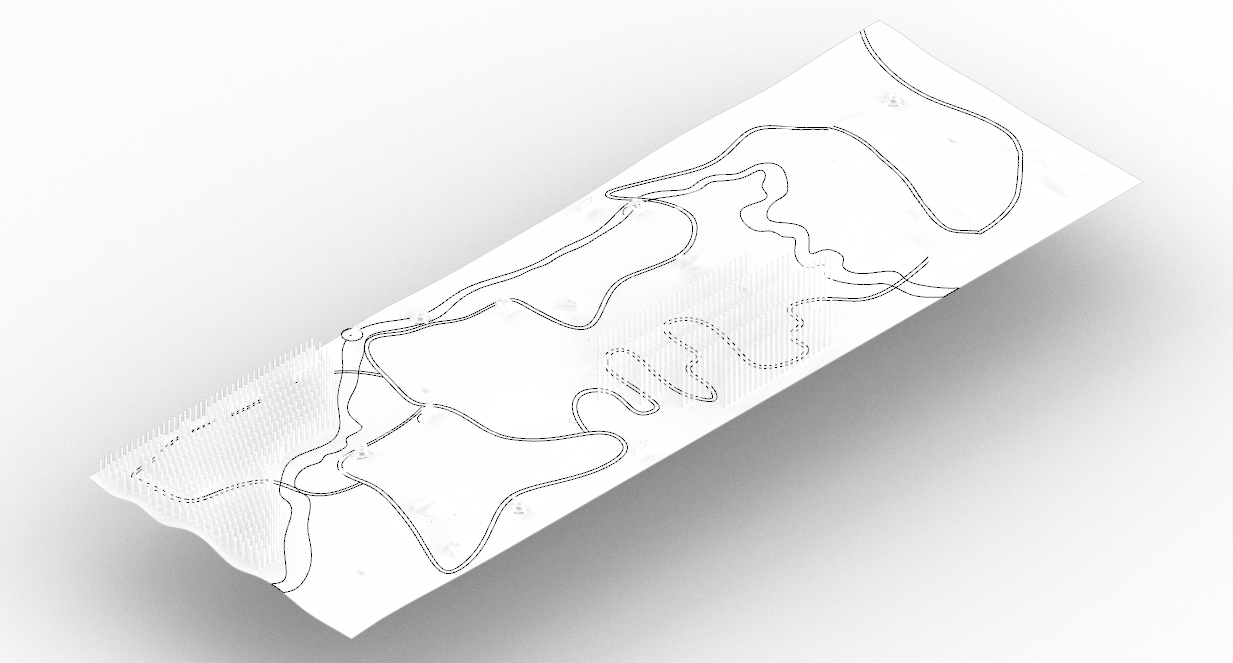
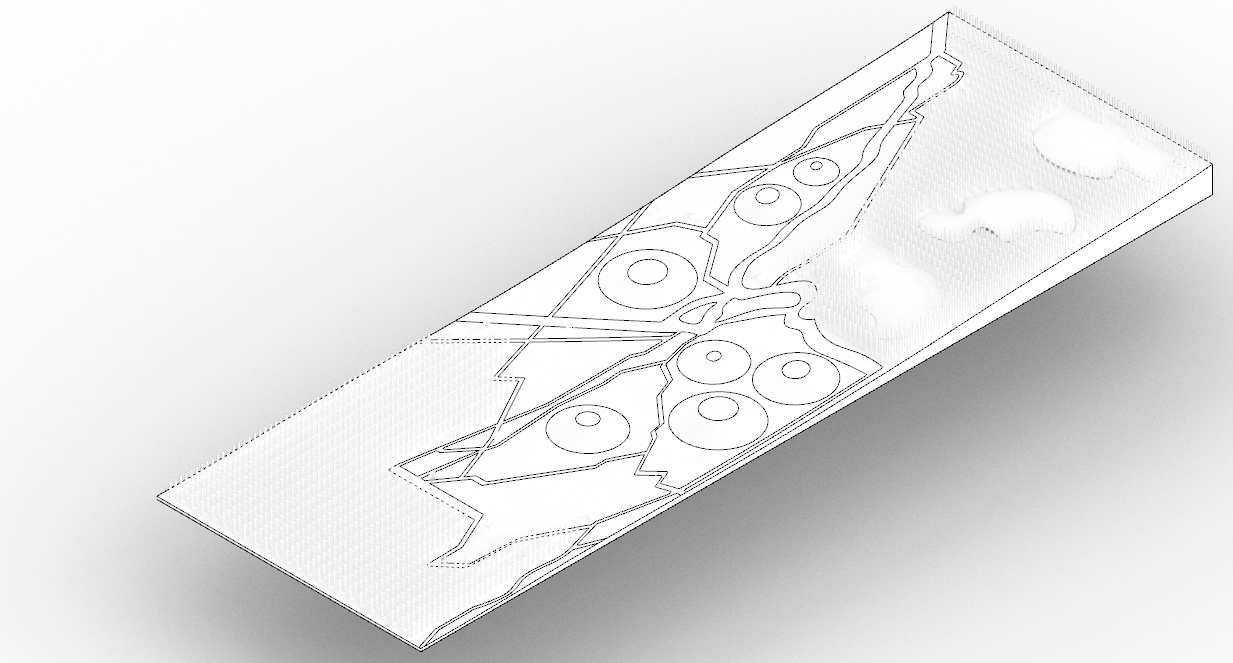
The question I faced was how to effectively design within someone else's logic while providing the depth needed to create my own logic as well. These plans were moving more towards the depth and fluidity of Surface’s designs but were still missing the formal logic SurfaceDesign is known for.
Therefore, I shifted to thinking about not only Knoxville History but also site history. The previous Smoky Mountain Smelters site was once an agricultural chemical company before being home to an aluminum smelting operation, leaving behind aluminum dross and salt cake.
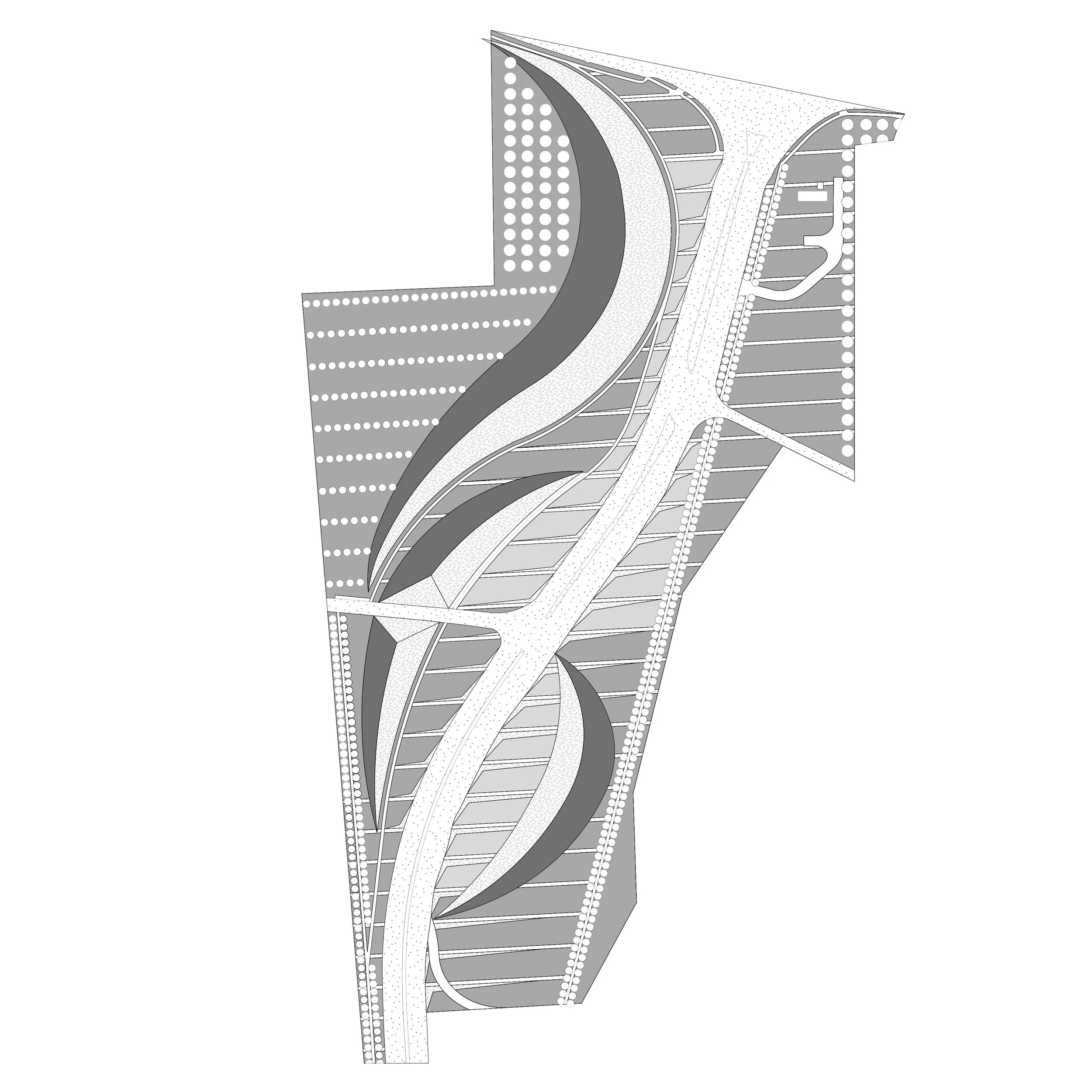
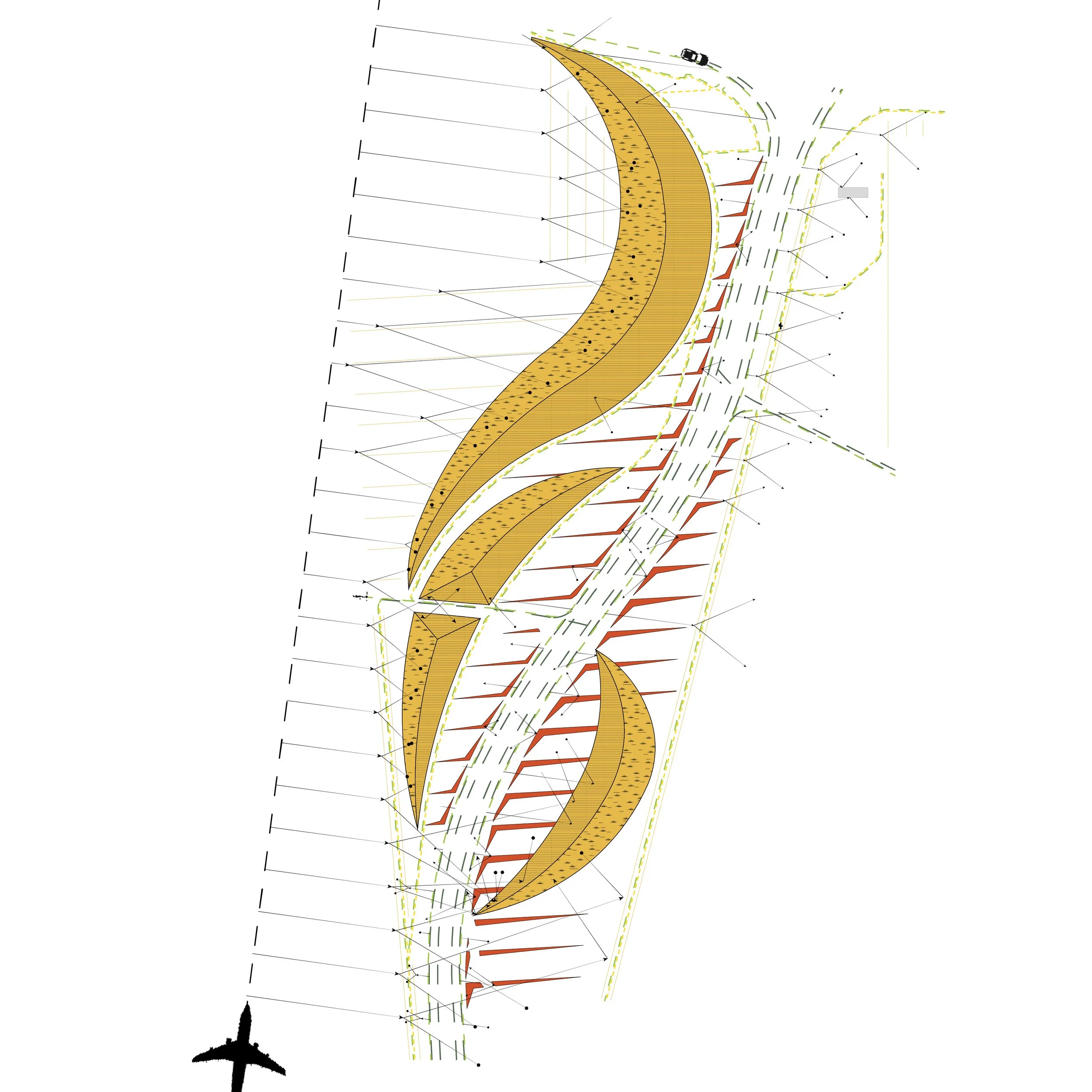
This history inspired the breakdown of historic site operations and current contaminants. The chemical makeup of aluminum and the movement of an aluminum bellow became the main cultural artifact’s on the site.
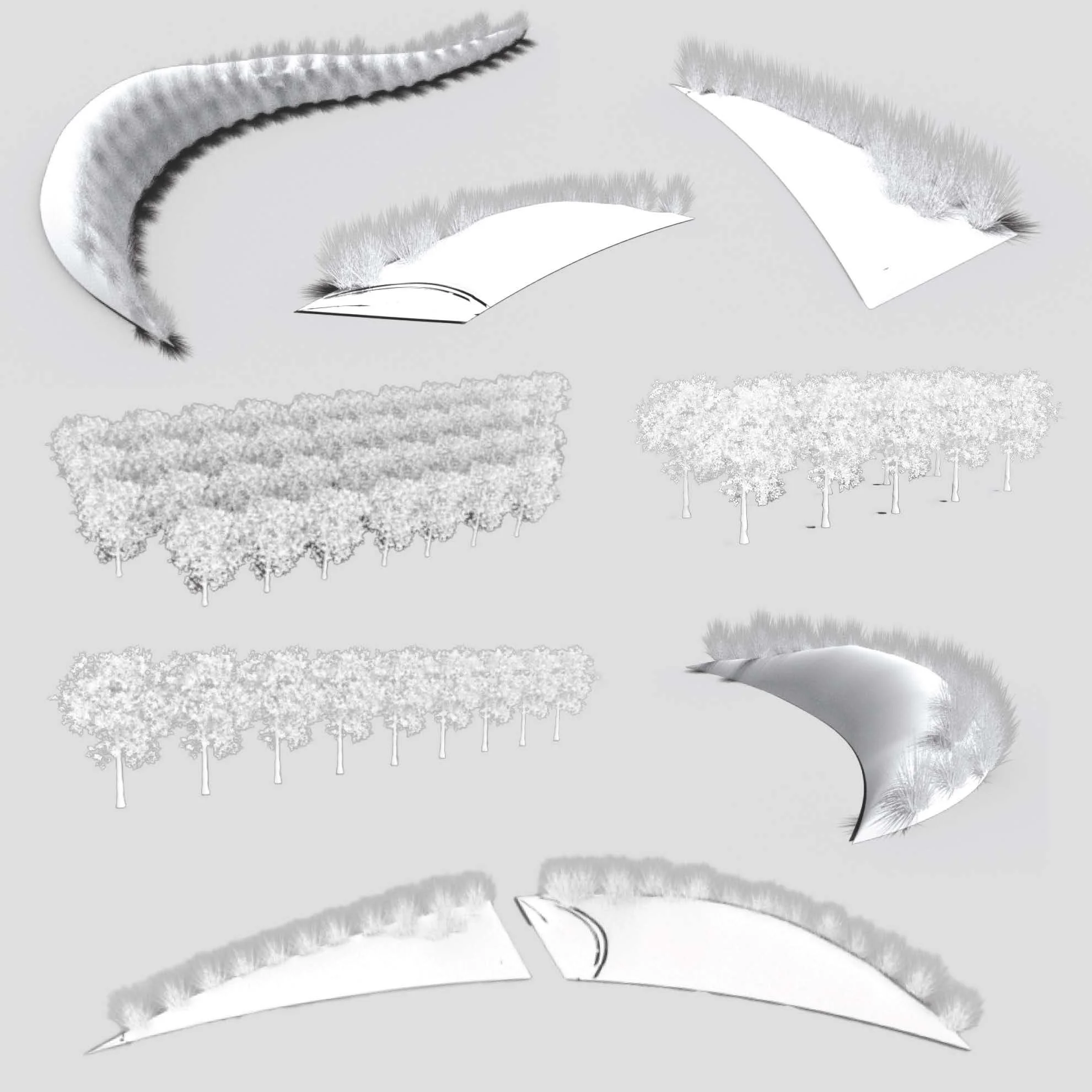
Plants were chosen based on nativity to Tennessee and their phytoremediation properties.
Agricultural Symbolism - Row Intercropping

Aluminum Molecular Breakdown Large Wing
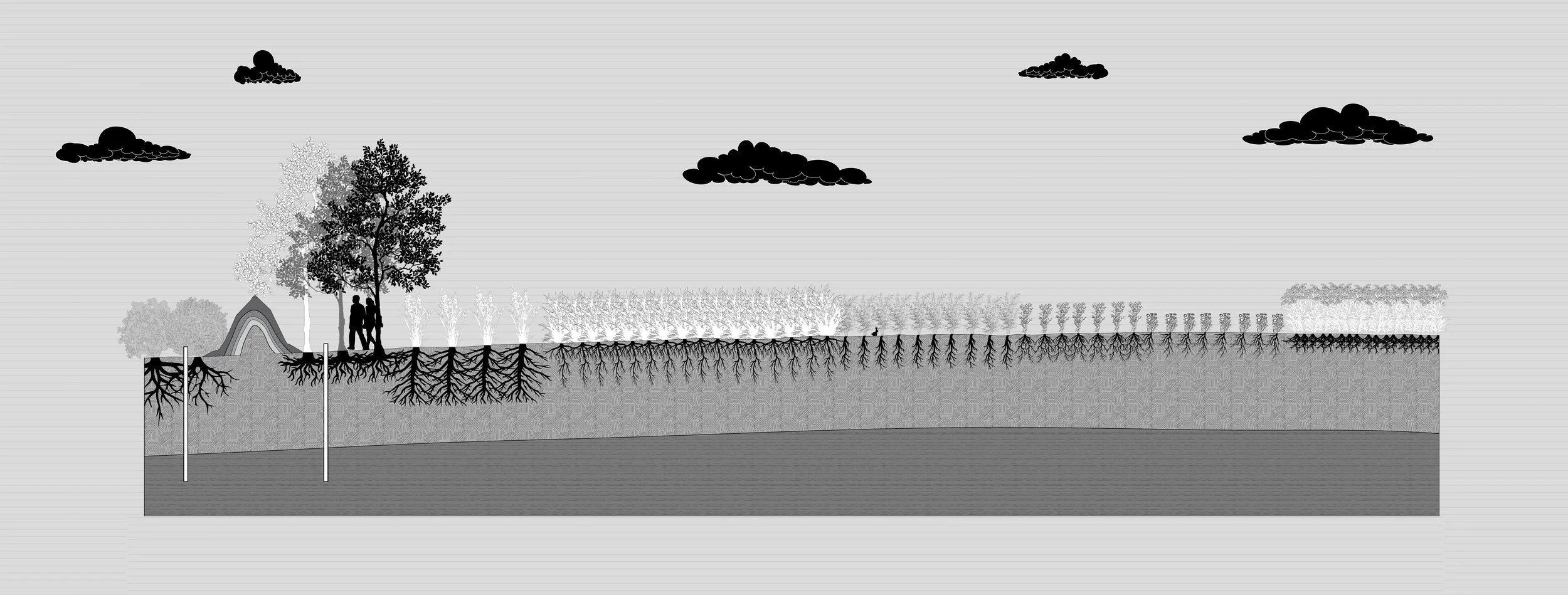
Section I
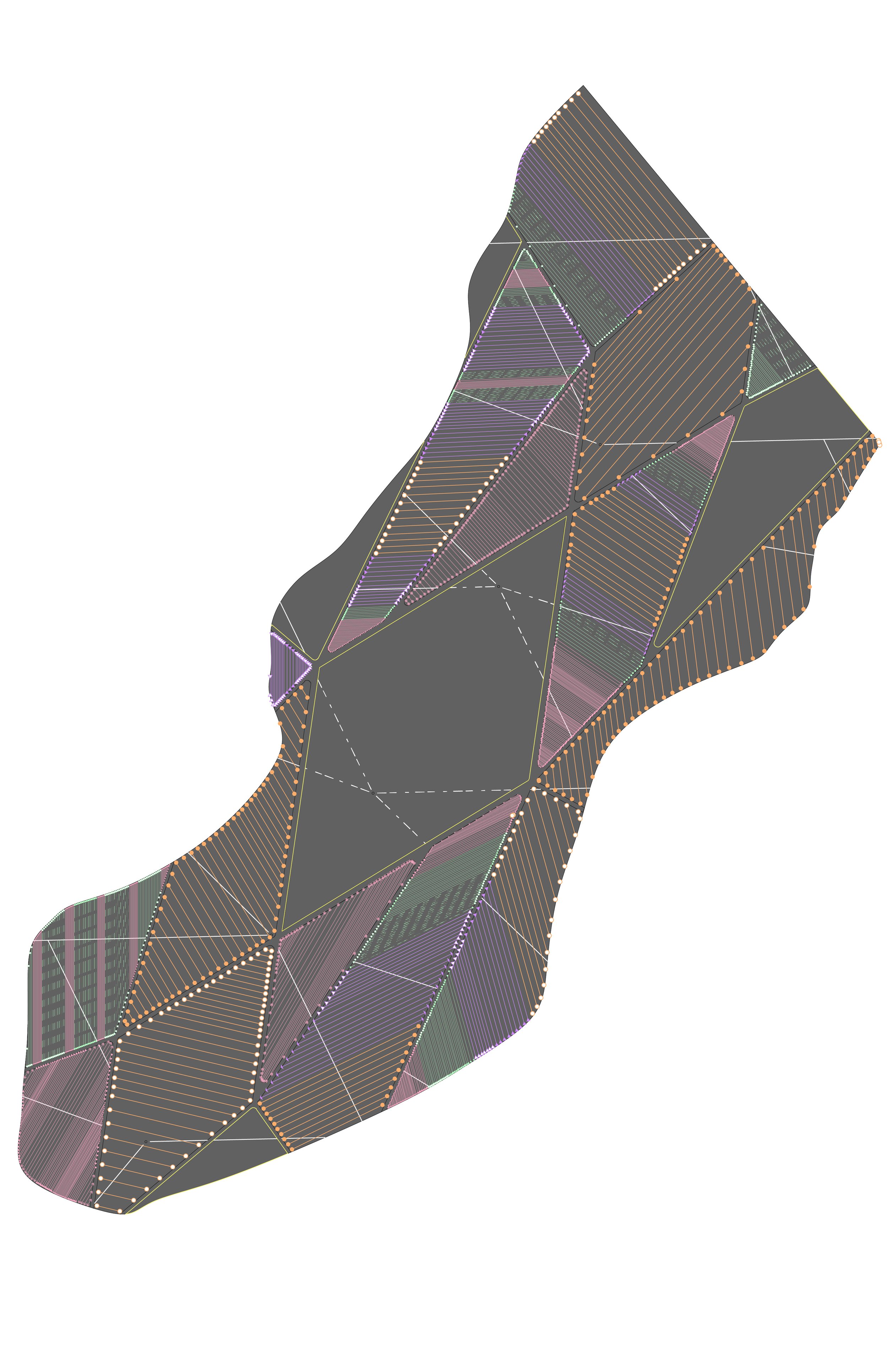
Final Site Diagram
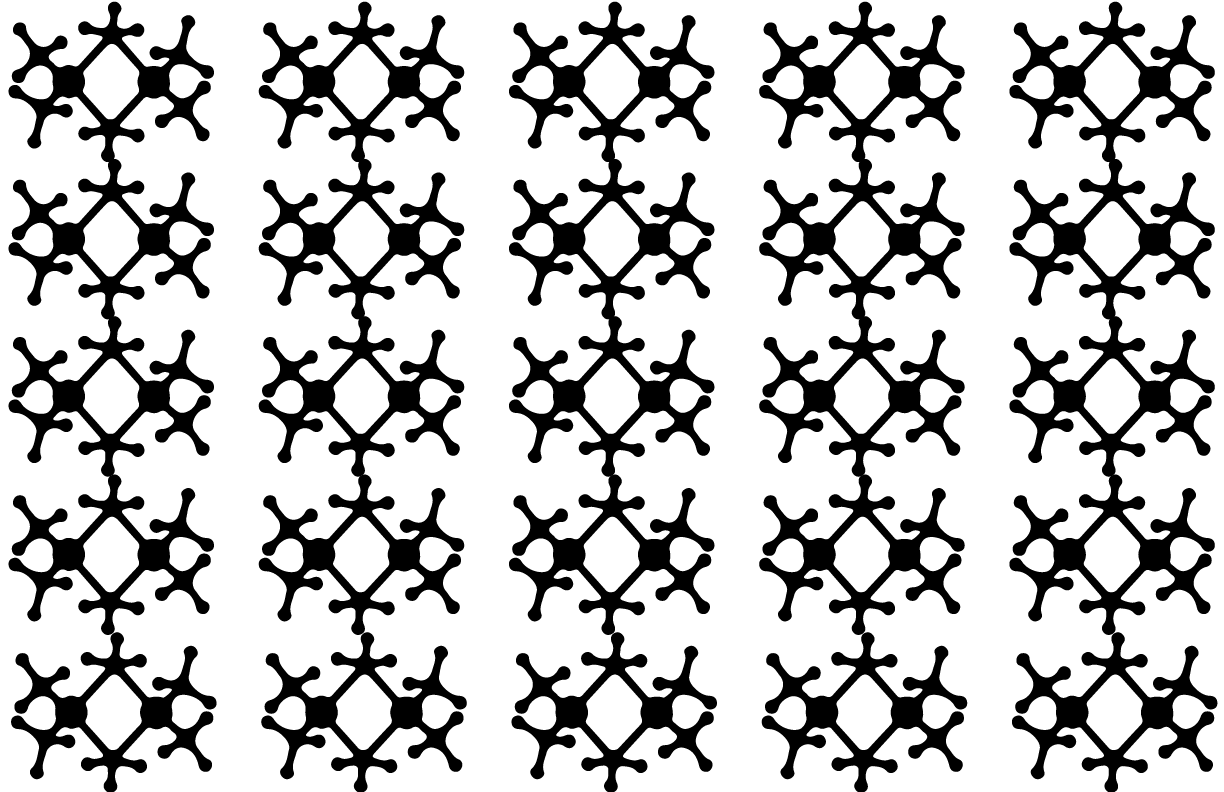
Aluminum Molecular Breakdown - Berm and Path Formality
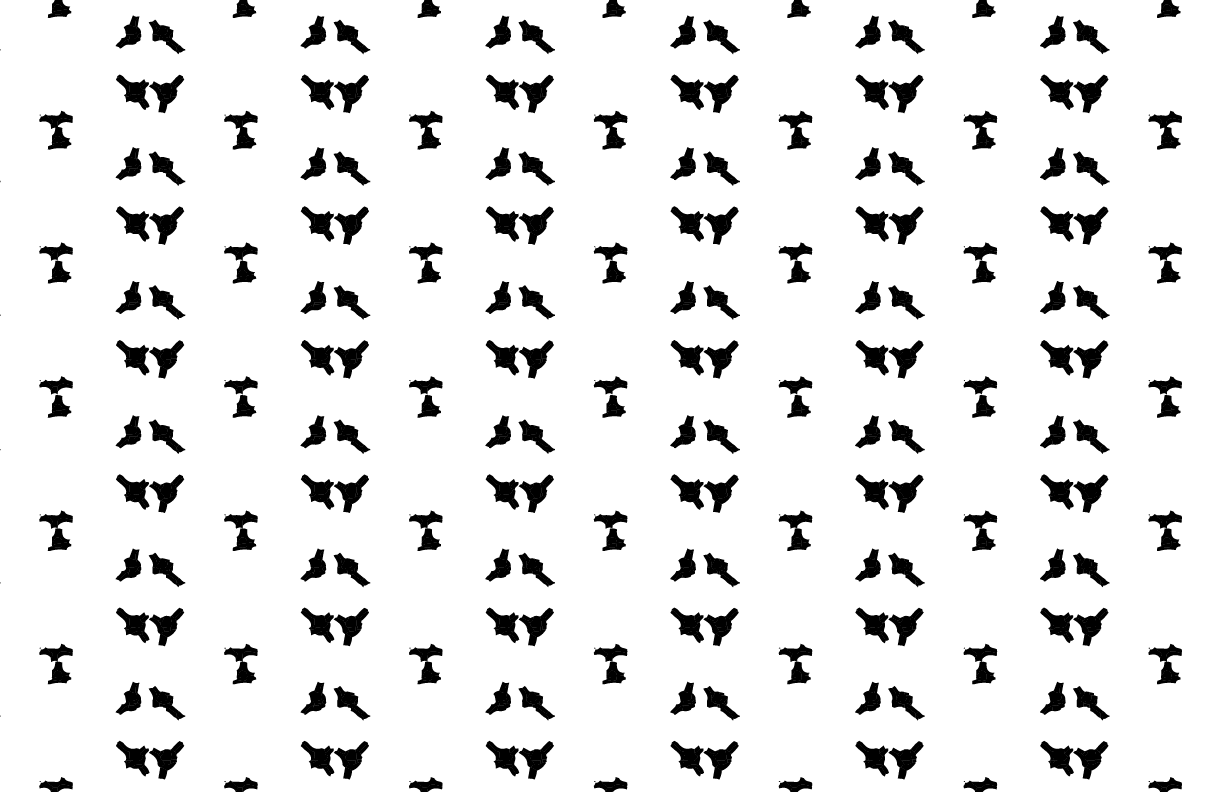
Aluminum Molecular Breakdown Medium Wing
Site Animation
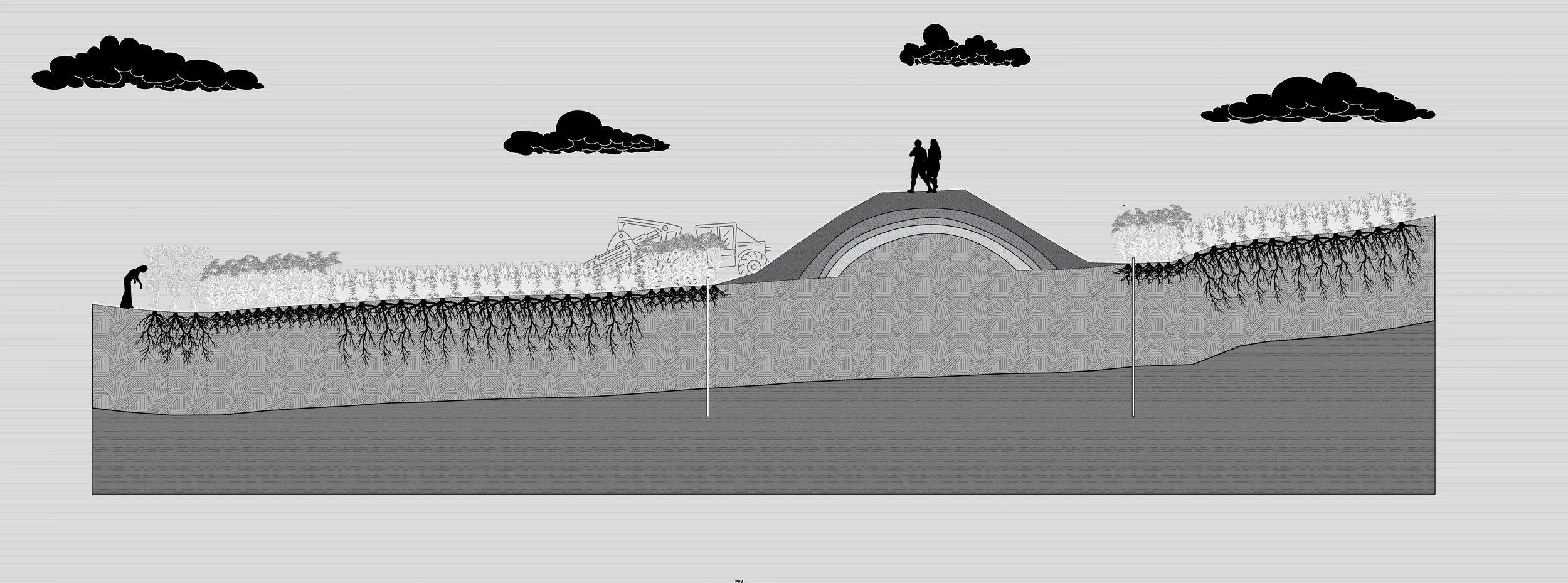
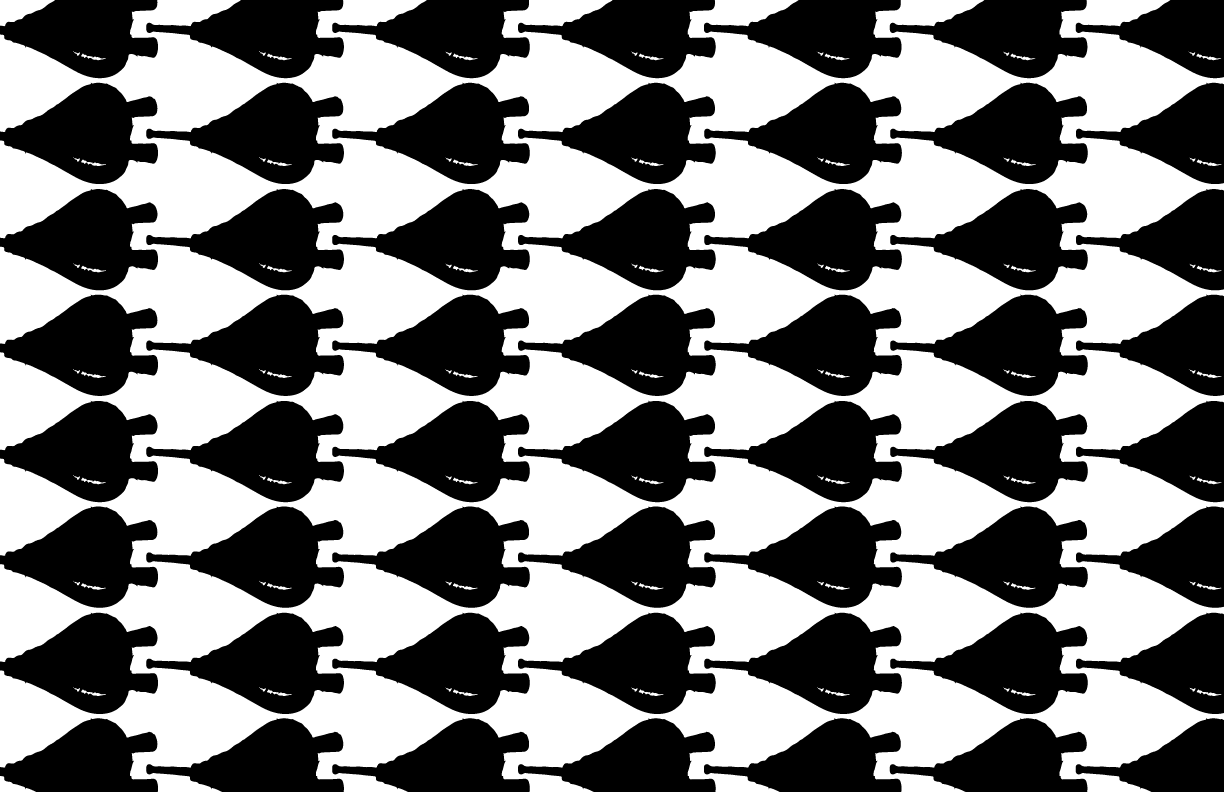
Aluminum Bellow Motion - Plant Spacing & Heights

Aluminum Molecular Breakdown Small Wing
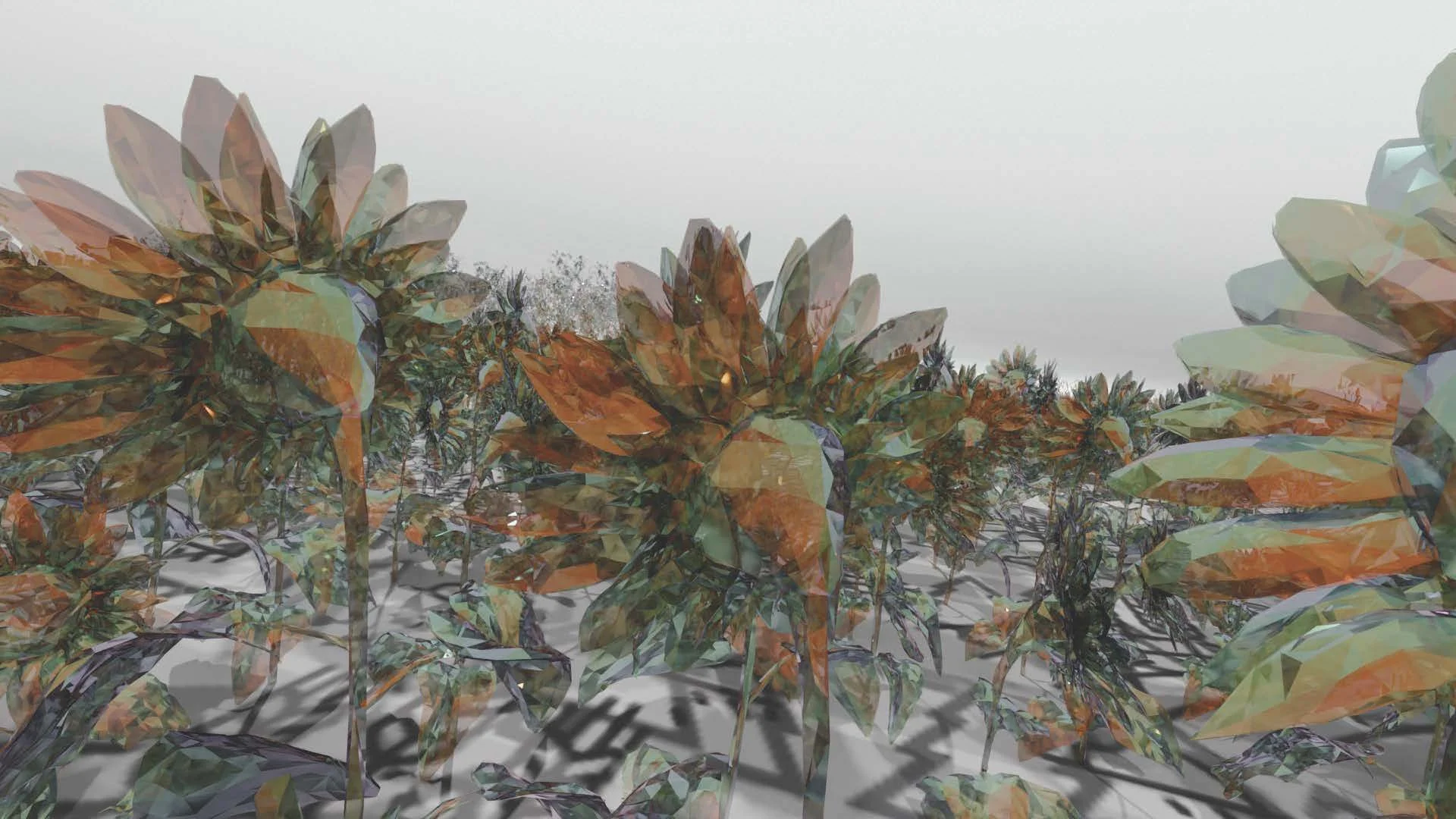
Perspective II
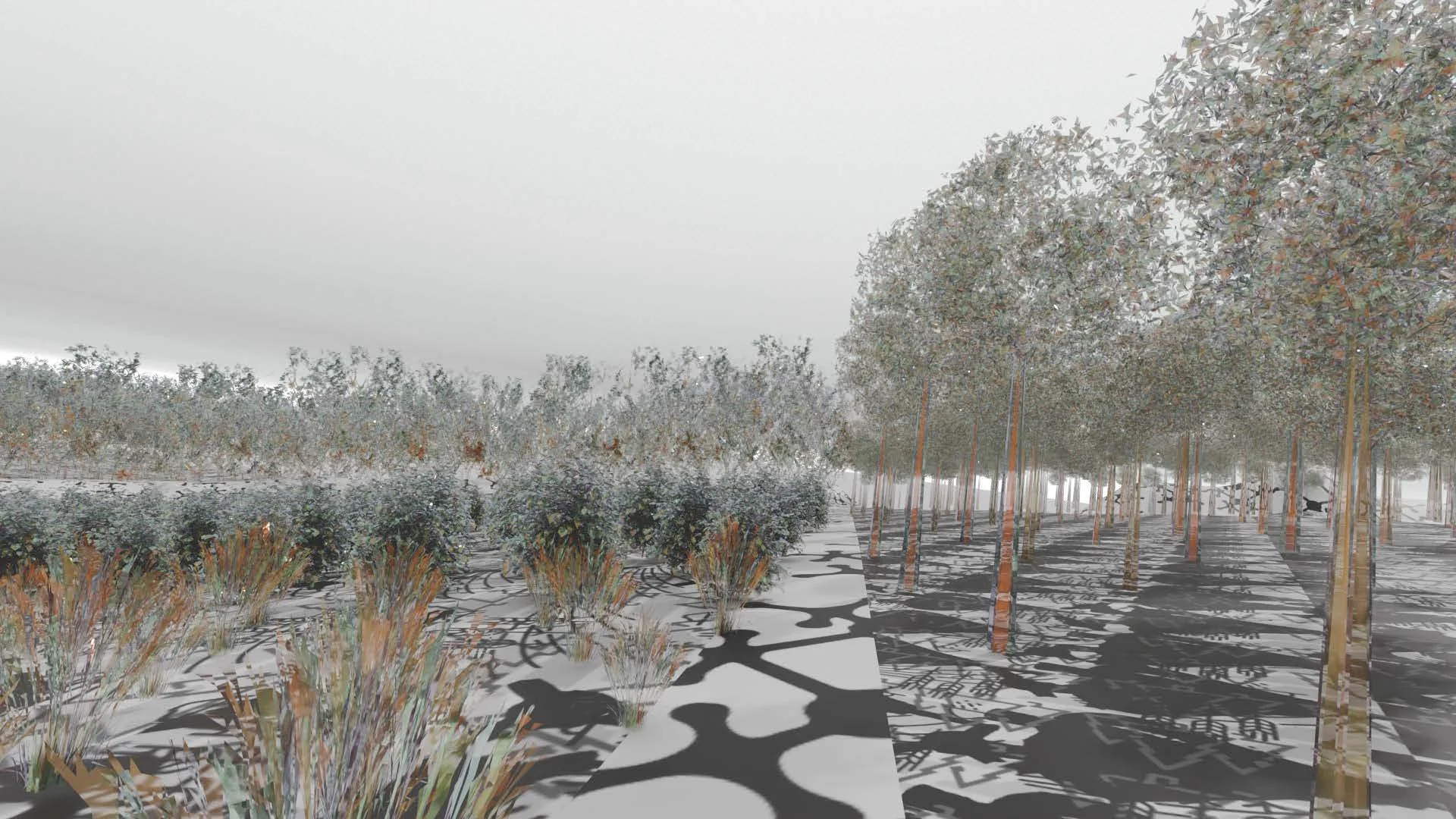
Perspective I
Section II
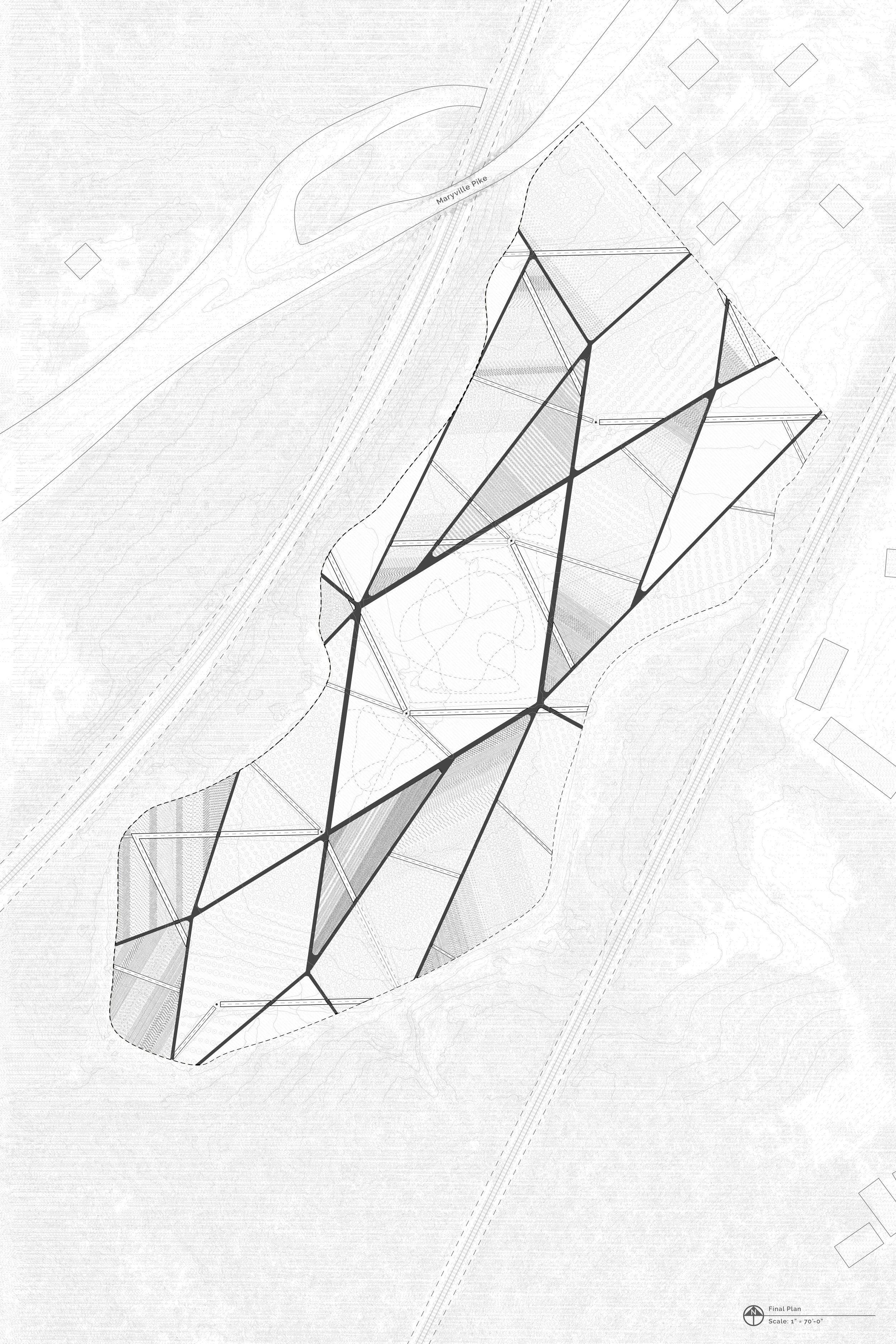
Final Site Plan
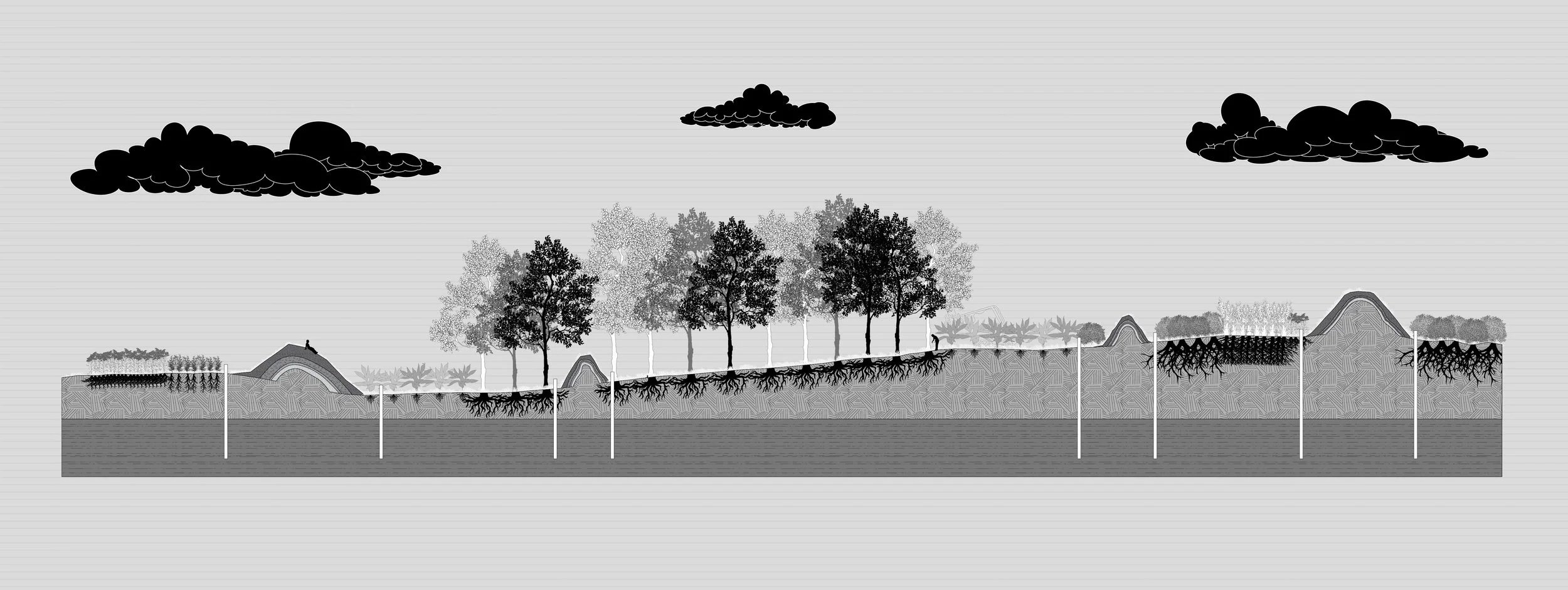
Section III

Tennessee Native Plantings
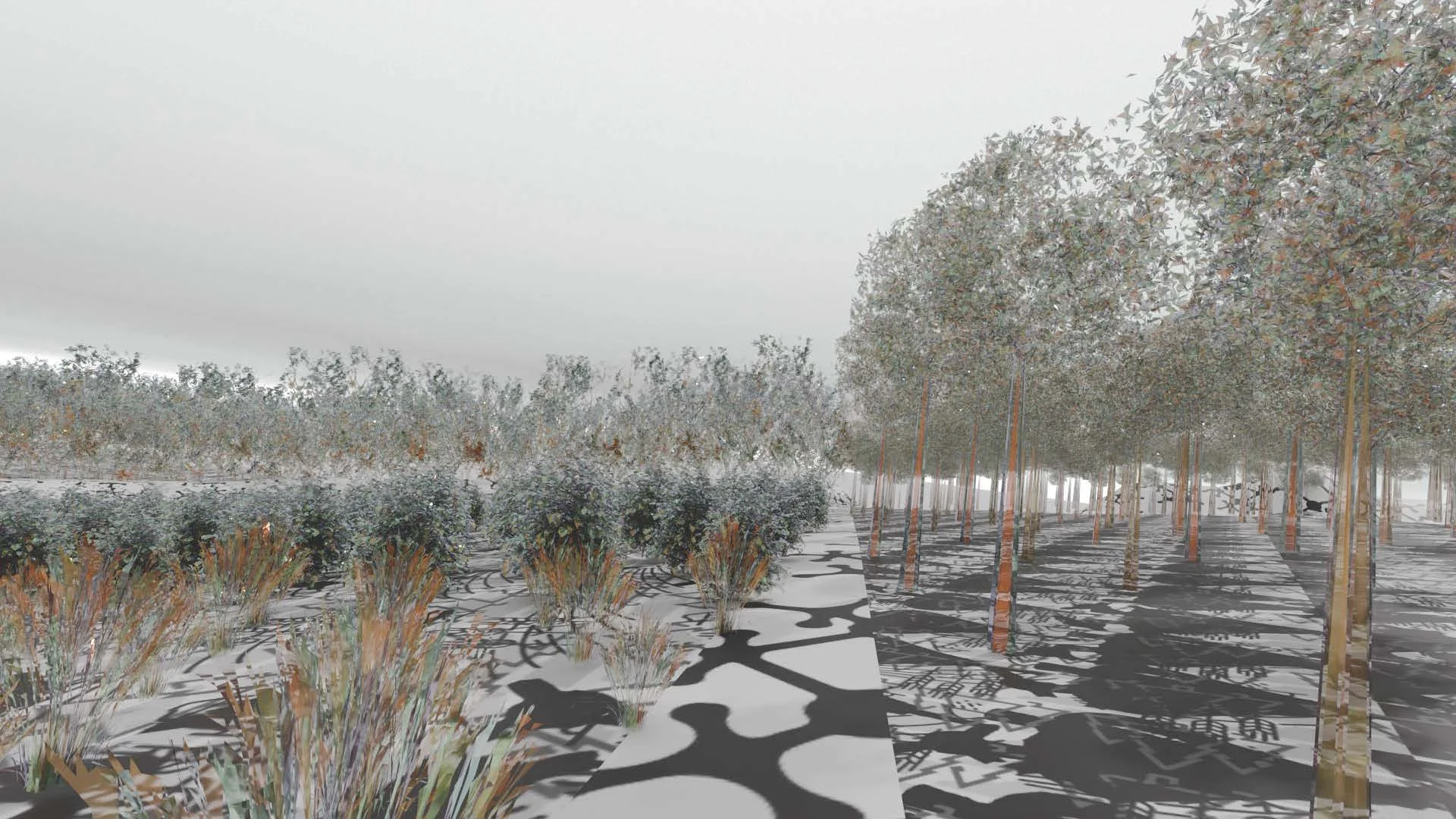
Design Representation features overlayed patterns across the landscape representing the formal logics that inspired each space.
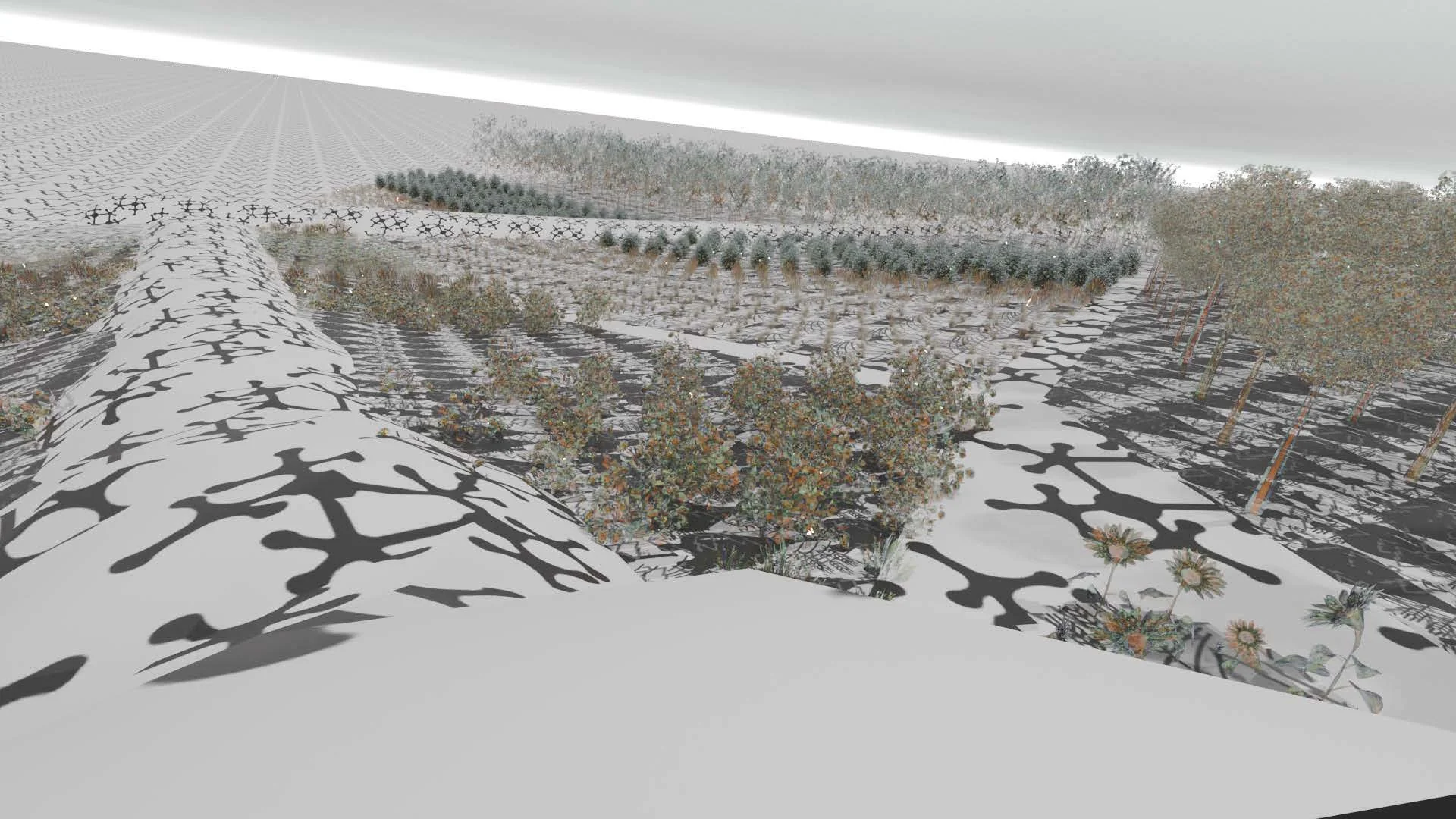
Perspective III
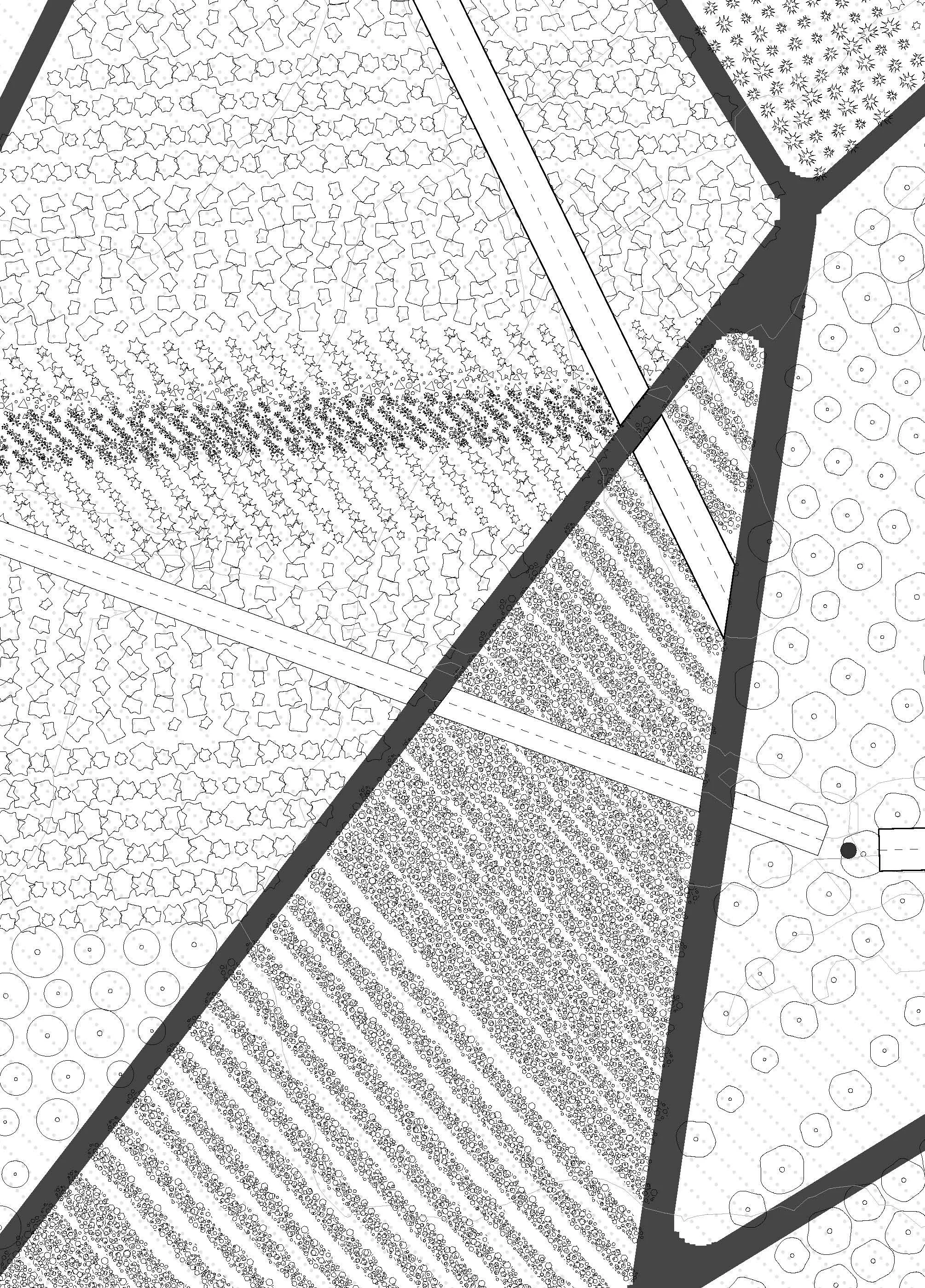
Final Site Enlarged Plan